






























Kerala University of Fisheries and Ocean Studies (KUFOS) and the Indian Marine Ingredients Association (IMIA) organized a significant event with various stakeholder communities comprised of Fishermen, allied workers, sea food processors, fish meal manufacturers, aqua feed producers and Farmers from different coastal states of the country on April 20th, 2024. The event was inaugurated By Dr. T. Pradeep Kumar, Vice Chancellor of KUFOS, alongside esteemed guests including Dr. K.C. Veeranna, Vice Chancellor, Karnataka Veterinary, Animal and Fisheries Sciences University, B. Ahilan, Dean College of Fishers, Tuticorin, HN Anjaneyappa, Dean College of Fisheries , Mangalore, Shameela Monteiro, Director of Fisheries, Goa, Dinesh Kumar Kaller, Director of Fisheries, Karnataka and Mohamed Dawood Sait, President of Indian Marine Ingredients Association.
Dr. Pradeepkumar emphasized the pressing need for fisheries sustainability to enhance local Livelihoods and global competitiveness, initiating discussions on tackling sector challenges and Maximizing opportunities. The reports coming from the major importers on our products are the Concern of not only the exporters but also of the poor fisher folk as such reports will lead to poor Demand and price. All should work in unison against such false reporting to hand hold the industry.
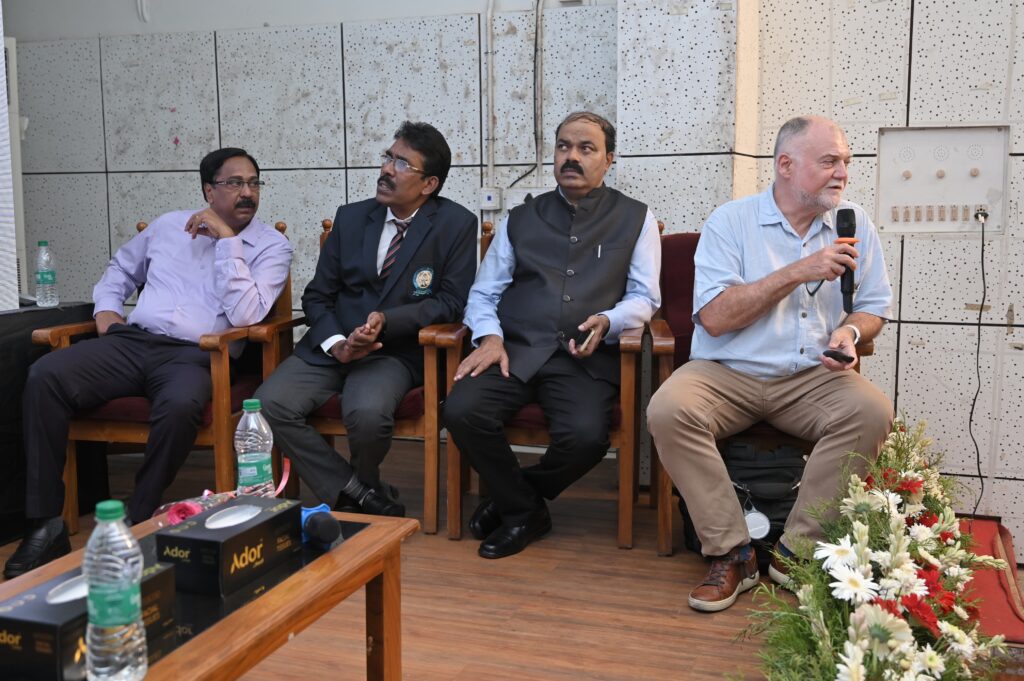
Dr. Veeranna highlighted the socio economic face of the fisheries sector as it contributes evidently to The livelihoods and nutritional security of the coastal communities. All the sectors need to be equally Respected to ensure a symmetrical growth of the industry.
Mohamed Dawood Sait invited the attention of the scientific community to provide reliable data, encompassing the catch composition to ensure the sustainability of the sector through Marine Trust Certification. Globally, Fish In Fish Out ratio show 1 kg of marine raw material yields 5 kg of farmed fish across various production systems. Thus, fish that do not have a food market are converted into five times the volume. The composition of Indian fishmeal typically consists of 70-75% small pelagic fish, 15-20% seafood industry waste, and 8-12% bycatch generated by the seafood industry. This shows that the industry’s major raw material is small pelagic fish, which is considered one of the most sustainable fisheries in the world. This fishery requires responsible sourcing and proper management. The industry demands proper assessment and support from the Central Marine Fisheries Research Institute (CMFRI).Also said, Feed manufacturers purchase fishmeal from Indian producers at a price of approximately Rs. 96 per kg, often without considering the cost of production. To produce one kilogram of fishmeal, 4.5 to 5 kg of fresh fish is required. The industry pays fishers an assured price ranging from Rs. 25 to 40 per kg of fresh fish. Even if we take the lowest price of Rs. 25 per kg, the cost of raw materials alone would be Rs. 125 (25 × 5) for producing one kilogram of fishmeal. This cost does not include additional expenses such as production costs, transportation, GST, and industry margins. By balancing the market and selling to international buyers at premium prices, the fishmeal industry ensures a guaranteed price for the fishermen. In many cases, the industry converts waste into a valuable product, addressing pollution issues to a great extent. “ Industry makes BEST from the WASTE”
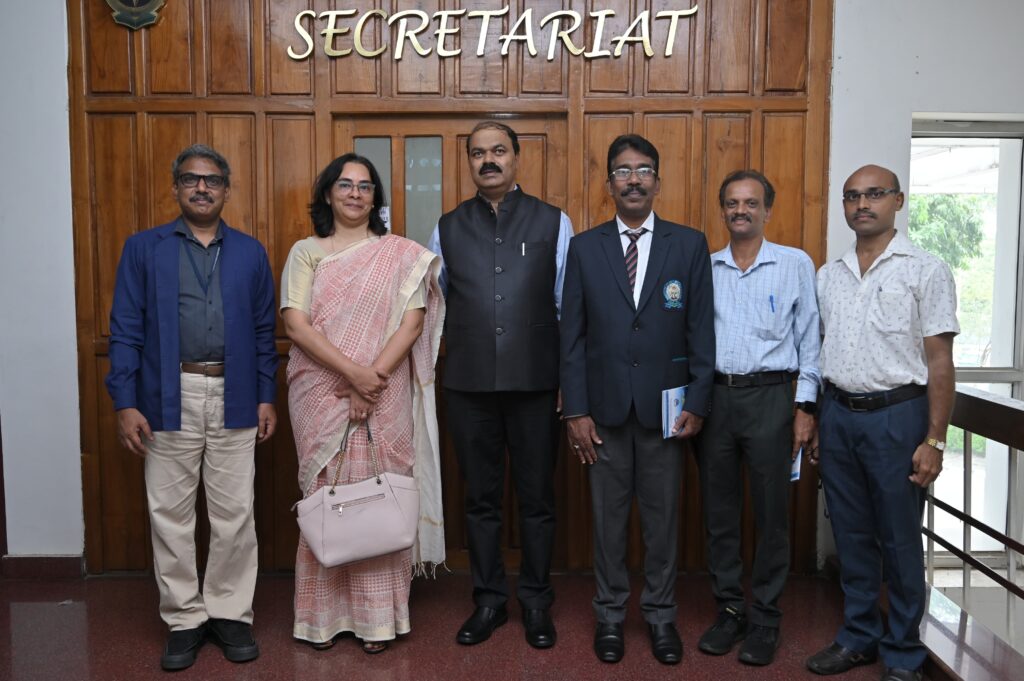
During the discussions, led by Dr. Dinesh Kaippilly, Registrar of KUFOS, the participants primarily the Fishermen voiced concerns over the recent negative assessments of India’s shrimp industry, advocating For strict regulations to ensure sustainability towards supporting the interests of fishermen and Industry stakeholders. They are worried about the certification requirements which always demands Stringent regulations during the catching process. They are not sure whether they will be paid better Prices for the certified products. The event symbolized a collaborative effort among scientific Communities, stakeholders, and policymakers to reassess and effectively implement regulations, Reaffirming a shared dedication to nurturing a resilient and sustainable fisheries sector for India’s
Future. The meeting emphasized the necessity to reassess existing regulations and assessments Pertaining to fishery resources, as well as to reconsider regulations regarding the quantity of fishing Vessels and equipment. It was recommended that the government implement rigorous regulations Concerning hygiene and quality control throughout the entire process, from the landing centers to the Processing plants. Additionally, there was a highlighted necessity for uniform regulations across the Nation within the fisheries sector