











by Melanie Siggs, Director Strategic Engagement, Global Seafood Alliance, The UK
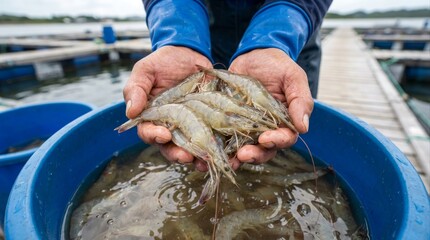
Shrimp is the most valuable traded animal protein in the world, supporting livelihoods, food security and economic growth across more than 40 producing countries. Yet for all its value, shrimp production and processing has long been characterised by a significant inefficiency: as much as 40–50 percent of the animal is removed during processing and treated as waste or sold at very low value. Heads, shells and other residual material have traditionally been viewed as a disposal problem rather than a strategic asset.
Today, that perspective is changing. Faced with tighter margins, greater regulatory scrutiny and rising expectations around sustainability and circular economy practices, shrimp producers and processors are beginning to explore how residual material can be contribute to the bottom line, building greater resilience. This shift toward 100% Shrimp – full utilisation of the animal expects the whole to create income. This offers significant opportunities, but of course, there are practical challenges. For producers willing to engage, the rewards can include new revenue streams, improved resilience and stronger positioning with buyers and regulators.
The Opportunity: Shrimp Residual Material as a Resource
Globally, it is estimated that more than 800,000 tonnes of shrimp residual material are generated each year from farmed shrimp processing. Estimate is across 10 countries, excluding China. This material is rich in protein, minerals, carotenoids, and chitin, making it suitable for a wide range of applications across aquafeed, agriculture, packaging, water treatment and even pharmaceutical sectors.
Historically, most of this material has followed one of three paths: collection and disposal, basic shrimp meal or limited local reuse such as direct feeding or soil improver. While these outlets can deal with managing the material, they don’t reflect the revenue contribution potential. By exploring options, smartly, and adopting new whole shrimp ultilisation models, businesses can unlock this potential.
Impact on the Aquafeed Industry
One of the most immediate and impactful applications for shrimp residual material lies within the aquafeed industry which can be processed into quality shrimp meal and hydrolysed shrimp protein, both of which are in strong demand.
High-quality shrimp meal can serve as an excellent marine ingredient, offering good digestibility and palatability. As feed manufacturers face pressure to reduce reliance on wild-caught fishmeal and improve sustainability credentials, ingredients derived from processing residuals are sought after. Shrimp meal produced to higher protein specifications can compete in premium feed markets, including feeds for salmon, marine fish and specialty aquaculture species.
Hydrolysed shrimp protein takes this one step further. Through enzymatic processing, proteins are broken down into highly bioavailable peptides and amino acids. These hydrolysates are valued for their ability to enhance feed intake, improve growth performance and support immune response in farmed fish and shrimp. In some cases, small inclusion rates can deliver measurable improvements in feed conversion ratios and survival rates. Demand is also growing rapidly in the petfood sector, where hydrolysates are used both as functional nutrition and natural flavour enhancers.
By supplying these ingredients, shrimp producers can directly support more sustainable aquafeed formulations while creating a higher-value outlet for material that was previously undervalued. Certifications on the production, processing and traceability of the shrimp can be an added value proposition, typically to fulfill first market requirements.
Commercial and Operational Benefits for Producers
For shrimp farmers and processors, the commercial case for valorising residual material is compelling. First, it can transform a cost centre into a revenue stream. Relatively modest improvements, such as producing basic shrimp meal, can eliminate disposal costs and contribute positively to the bottom line. This offers a starting point both to develop the cycle over time toward high protein mean, hydrolysate and chitosan, as well as building local or regional pre-competitive clusters where industry stakeholders can cocreate solutions for shared benefit.
Secondly, diversifying and increasing revenue streams helps dampen exposure to shrimp price volatility. By spreading revenue across multiple product streams, producers become less dependent on the price of whole, peeled, shrimp alone. This diversification can be particularly valuable during periods of oversupply, trade disruption or fluctuating demand in key markets.
Operationally, integrated utilisation improves efficiency. The inputs used to grow shrimp – feed, energy, labour, water – are effectively amortised across more products, improving the overall return on those inputs. In addition, full utilisation aligns closely with regulatory trends. Many countries are restricting landfill or incineration of organic waste, while retailers increasingly expect suppliers to demonstrate waste reduction and circular economy practices.
There are also reputational benefits. Producers who can credibly demonstrate full utilisation and circular models are better positioned with sustainability-focused buyers, investors and policymakers. In some cases, this can translate into preferential market access or stronger long-term partnerships. Additionally, as shrimp derived chitosan becomes more important to major sectors such as pharmaceutical, agriculture, packaging and waste-water treatment, the voice of shrimp production becomes more influential.
Challenges and Realities
Despite the opportunity, valorising shrimp residual material is not without challenges. Processing infrastructure requires capital investment and returns depend on market access and technical execution. Producing high-quality shrimp meal, hydrolysate or chitosan demand careful handling of raw material, trained staff, and outputs that comply with the relevant sector standards and requirements.
Market identification is critical. End products require clear offtake agreements and an understanding of end-user specifications. Without secured markets, even technically sound projects can struggle without expert input.
Not every producer has sufficient volume of material to optimize standalone facilities. This makes collaboration and clustering an important part of the solution to realise true potential.
It is important to note there are other alternatives to the proposed shrimp meal, hydrolysate and chitosan options. For example, shrimp material is being used to create quality human food ingredients and there are specialist partners in these fields open to partnerships. Case studies exist to help understand requirements and opportunities.
Getting Started: Practical First Steps
For those interested in exploring the 100% Shrimp pathway, the first step is understanding volume and composition of their material. Quantifying how much residual material is generated, split between heads and shells and assessing current handling practices provides the foundation for any business case and identification of opportunity.
The second step is to stabilise and protect quality. Operational changes – such as rapid chilling, separation of heads and shells or improved drying – can dramatically improve value. These steps often require limited investment but unlock future options.
The next stage is to identify realistic entry points. For many, producing basic shrimp meal is a logical starting point. This can often be achieved within one to two years and provides relatively quick changes in operation, a positive revenue and improved circular economy model. From there, quality can be upgraded by opening access to higher-value feed markets when ready.
Engaging technical expertise early is strongly advised. Specialists in shrimp meal, hydrolysate or chitosan processing can help design fit-for-purpose systems and avoid costly mistakes. Equally important is identifying and engaging markets for output and experts can help with this process, particularly when exploring new sectors. This work will help ensure understanding of specification requirements and pricing.
Where individual volumes are insufficient to build value options, co-creation models offer a powerful alternative. Regional or national clusters, developed on a pre-competitive basis, can aggregate material from multiple processors, improve economies of scale and attract investment. Neutral third parties are often key to facilitating these collaborations safely and transparently toward strong agreements often based on new legal entities.
Looking Ahead
The shift toward full utilisation of shrimp is no longer a theoretical sustainability concept; it is becoming a practical, potentially critical, business strategy and arguably will become a regulatory and market requirement. As markets evolve and pressure on margins increases, producers who smartly embrace value-added pathways for residual material can improve resilience, profitability and influence across the wider food system.
Turning shrimp residual material from processing into valuable outputs requires planning, partnerships and patience. But for those willing to take the first steps, the journey from waste to wealth can redefine the economics of shrimp production – and help build a more sustainable future for the industry.
The 100% Shrimp report from the Global Shrimp Forum Foundation builds on this narrative and is designed as a conversation catalyser to help businesses start their full utilisation journey. To read the full report https://www.shrimp-forum.com/publication/100-shrimp-full-utilisation
