





























Alltech Coppens, a global specialist in high-quality nutritional solutions for fish, has published its 2025 Sustainability Report. The report reveals a 13.2 percent reduction in carbon footprint per kilogram of fish feed compared to the 2021 base year, highlighting the progress in sustainable aquaculture.
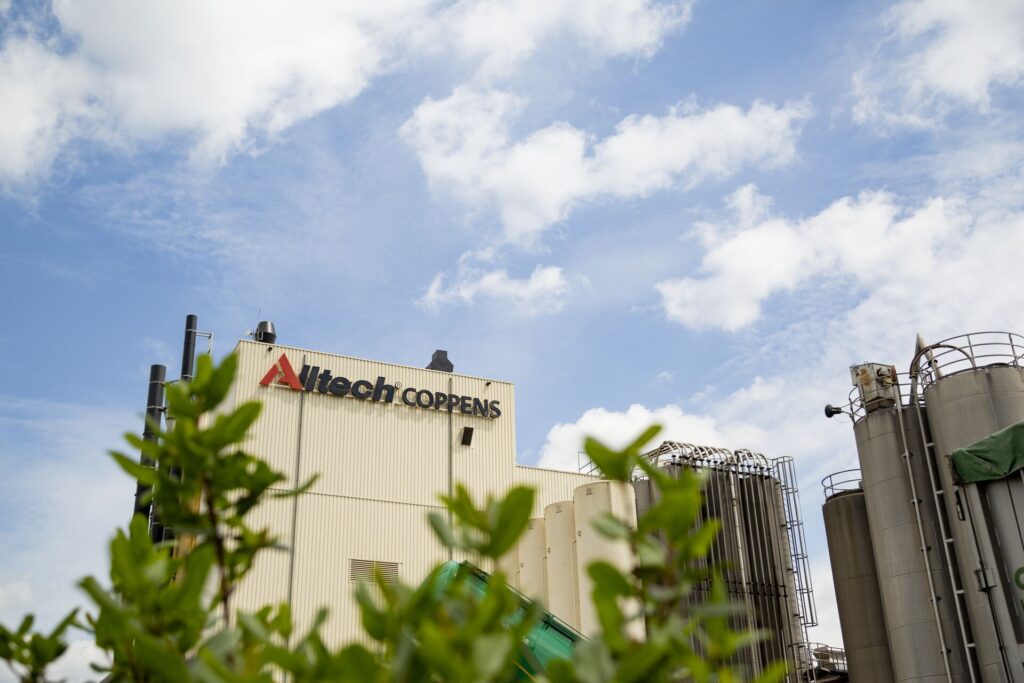
The report shows the company’s total carbon footprint measured 43,991,940 kilograms of CO₂ equivalent, breaking down to 0.970 kilograms of CO₂e per kilogram of fish feed. This represents a reduction of 0.148 kg CO₂e per kilogram of feed from the 2021 base year.
Scope 3 emissions, related to raw feed materials, made up the largest portion at 94.1 percent, while Scope 1 emissions accounted for 5.9 percent. Scope 2 emissions (energy, water and waste) represented zero percent of CO₂e per kilogram of feed, as the company uses 100 percent renewable electricity verified by certificates of origin.
Raw material sourcing highlights
In 2025, 92.3 percent of the company’s raw materials were produced within Europe, with 71 percent coming from Germany and neighbouring countries. Regarding marine ingredients, 71.7 percent were made from trimmings, and 100 percent of marine raw materials came from trimmings and/or were certified according to sustainable standards, including fishery improvement projects (FIPs).
Even excluding FIPs, 100 percent of the fish oil and 85.9 percent of the fishmeal used came from trimmings and/or were certified.
Waste reduction progress
The company’s residual waste totalled 35,970 kilograms in 2025, representing a 58.8 percent decrease compared to the base year 2021 (85,660 kilograms) and a five percent decrease compared to 2024 (37,780 kilograms). Feed residues decreased by more than 23 percent compared to the previous year.
Research centre footprint slashed
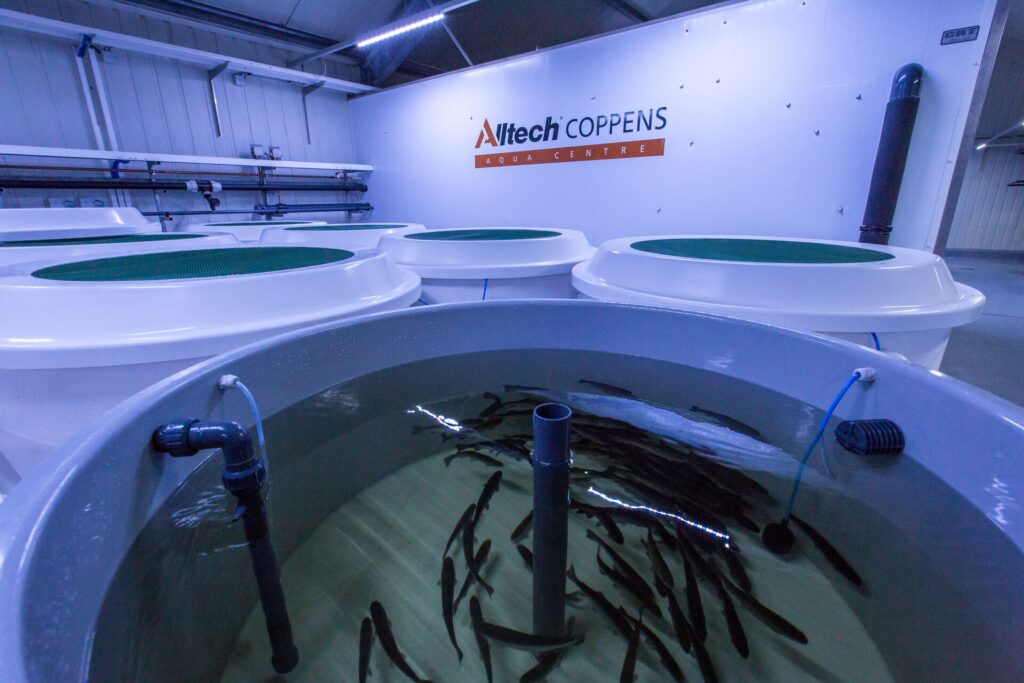
At the Alltech Coppens Aqua Centre, the CO₂ footprint per trial day has been reduced from 220 kilograms in 2018 (the first reporting year) to just 3.98 kilograms in 2025 – a reduction of 98.2 percent in seven years.
Industry perspective
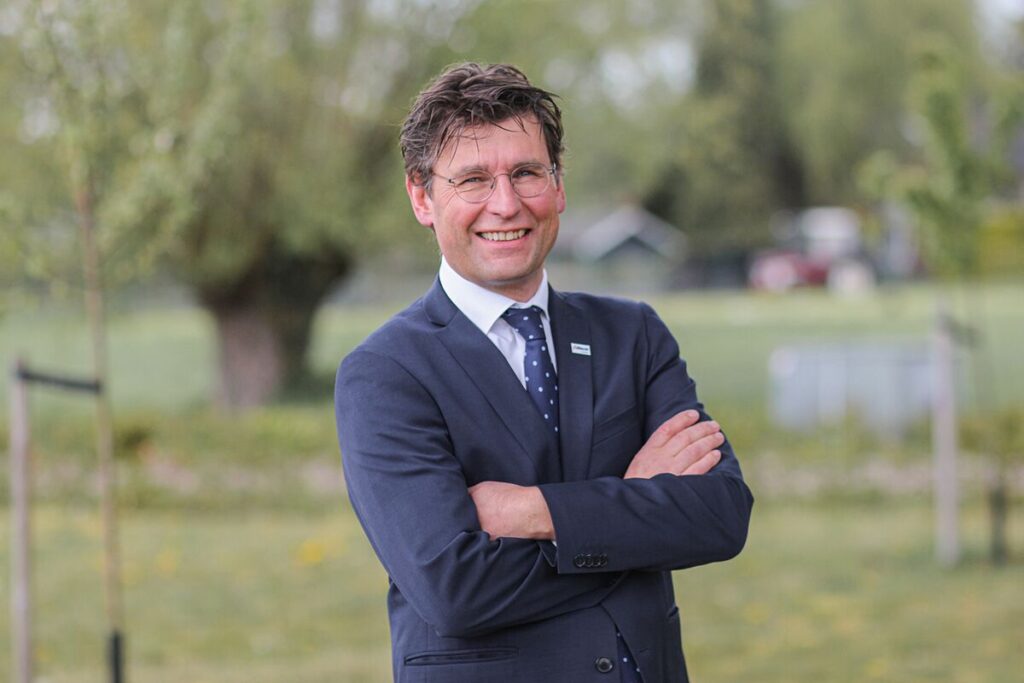
“At Alltech Coppens, we feel a strong responsibility toward sustainability,” said Ronald Faber, CEO of Alltech Coppens and global aqua lead for Alltech. “Our mission remains clear: to produce high-quality fish feeds responsibly, supporting safe and reliable food production while conserving natural resources.”
Guido Crolla, manager of procurement, sustainability and IT at Alltech Coppens, added: “Sustainability is not a box we tick; it’s a mindset that guides everything we do. From the raw materials we carefully select to the way we design and power our research centre, sustainability is embedded in every decision.”
The report highlights the company’s commitment to circular raw materials and Aquate premixes as part of its strategy to develop better alternatives for sustainable aquaculture. As part of Alltech’s broader mission of ‘Working Together for a Planet of Plenty®,’ the company has prioritised the UN Sustainable Development Goals of Life Below Water, Climate Action and Quality Education.
“Looking ahead to 2030, we will continue to advance research at the Alltech Coppens Aqua Centre, refine our raw material strategies and further strengthen our leadership in sustainable aquaculture,” Faber said.