




























by Prakash Panthi, Farmer and Biofloc Evangelist, CEO of Yuvo Agro Farm and Research Centre, Nepal

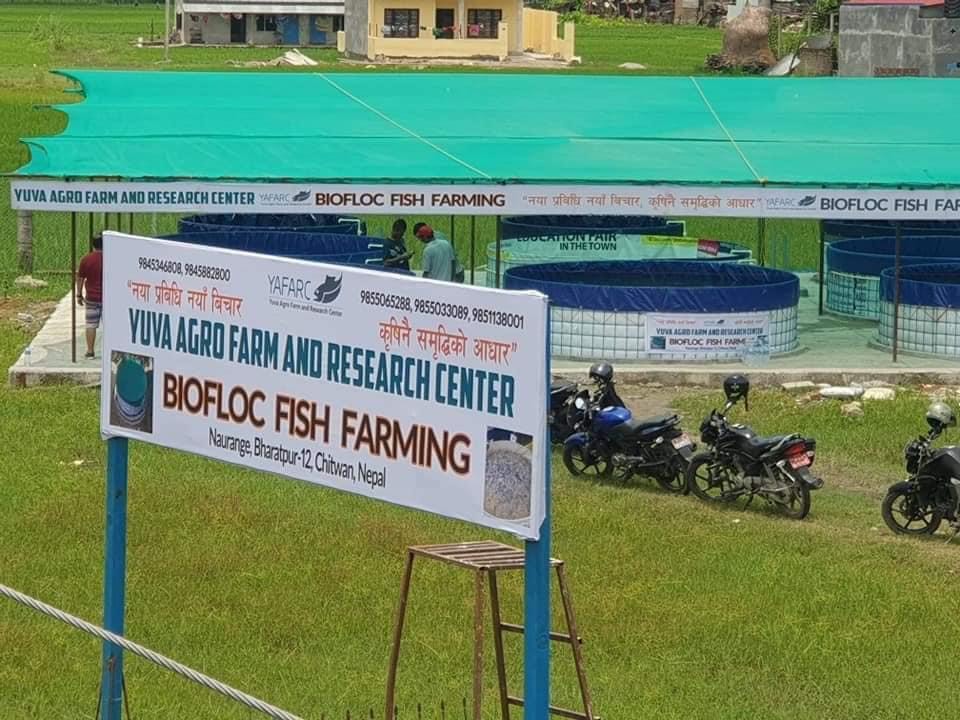
Yuva Agro Farm and Research Centre was established in 2019 in Chitwan, Nepal. The main goal of the establishment was to provide new fish farming technology to youth and farmers in Nepal. Mostly, Nepal has two types of fish farming: pond-based and raceway fish farms. The growing fish demand in the country is not fulfilled by local production, requiring dependence on India. Raceway culture is expensive, and pond-based aquaculture requires large areas of land, which are not accessible to most new farmers. Therefore, Yuva Agro Farm and Research Centre was established. Biofloc technology was introduced in Nepal as an alternative to pond-based fish farming, requiring less investment, water, and land use.
Promoting novel technology
After seeing that biofloc fish farming could be a viable alternative in Nepal, Yuva Agro began working in this field. Farms can be built with minimal land use in both remote and urban areas, helping to provide fresh and hygienic fish to consumers. Fish farmers in Nepal have very little knowledge of using available technology for fish farming.
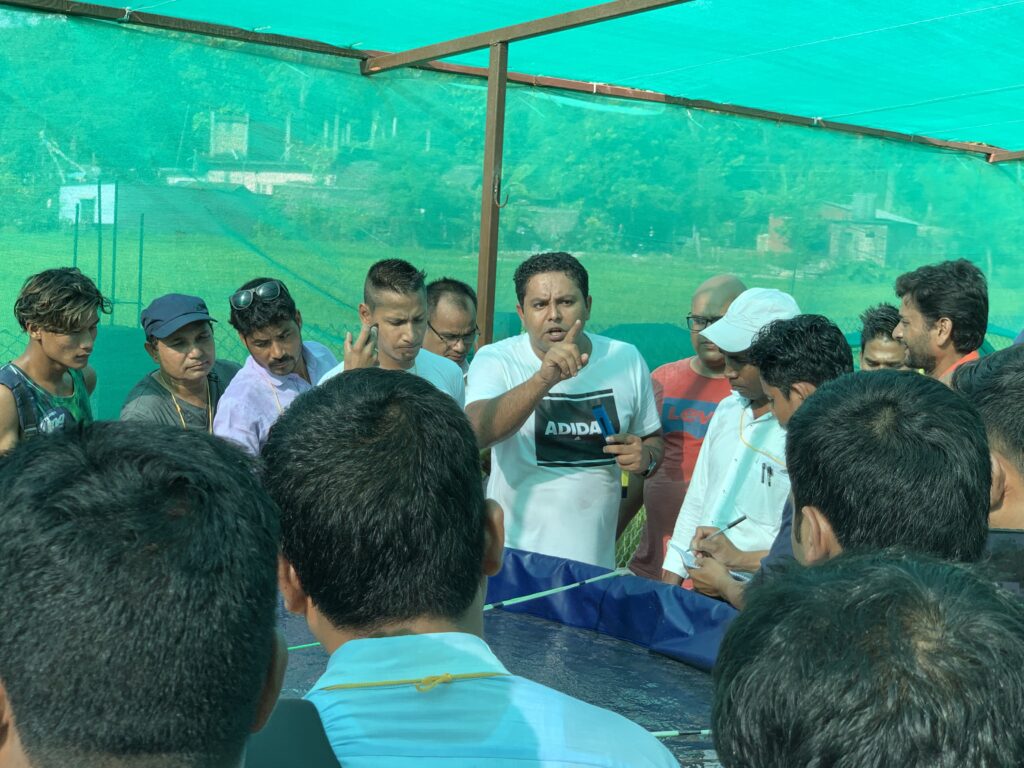
They train farmers on how to use technology to check water parameters, aeration systems, feeding calculations, and market analysis of products. After the introduction of the technology in 2019, the government of Nepal also established farms in different locations for research on this technology. This initiative will help farmers gain easy access to the technology.
The Farm and Research Centre is also collaborating with Namaste Stiftung through Soroptimisten (Dhulikhel Hospital), supporting different ethnic groups such as the Majhi community, known as a fishing community, as well as women’s groups from various parts of Nepal.
Technology transfer
In a landmark initiative aimed at promoting sustainable agriculture and community empowerment, the completion of a biofloc fish farming project funded by Dhulikhel Hospital and facilitated by Yuva Agro Farm and Research Centre marks a significant milestone for the indigenous Majhi community as well as rural women’s groups working to improve women’s livelihoods in Nepal.
Prof Dr Ram Kantha Makaju, the founder and executive director of Dhulikhel Hospital, introduced this fish farming technique to the women’s community of Kirenetar, Dolakha, and the Majhi community in Bayunepati, Sindhupalchok. This collaborative effort exemplifies the power of partnership, innovation, and knowledge transfer in fostering socio-economic development and environmental stewardship.
Empowering the Majhi community
The Majhi community, predominantly residing along the rivers and water bodies of Nepal, has historically faced socio-economic challenges, including limited access to livelihood opportunities and essential services. Recognising the need for targeted interventions to uplift marginalised communities, Dhulikhel Hospital, in collaboration with Yuva Agro Farm and Research Centre, initiated a biofloc fish farming project tailored to the unique needs and aspirations of the Majhi community.
Biofloc technology, characterised by its ability to efficiently utilise resources and minimise environmental impact, emerged as a promising solution to address food insecurity and poverty among the Majhi people. Through generous funding provided by Namaste Stiftung through Soroptimisten (Dhulikhel Hospital) and the technical expertise imparted by Yuva Agro Farm and Research Centre, the project aimed to empower the community through sustainable aquaculture practices.

Leadership in fish farming
Mr Prakash Panthi, the CEO of Yuva Agro Farm and Research Centre, introduced biofloc fish farming technology in Nepal in 2019. He has been helping people adopt the technology. The completion of the biofloc fish farming project signifies a paradigm shift in the agricultural landscape of the Majhi community.
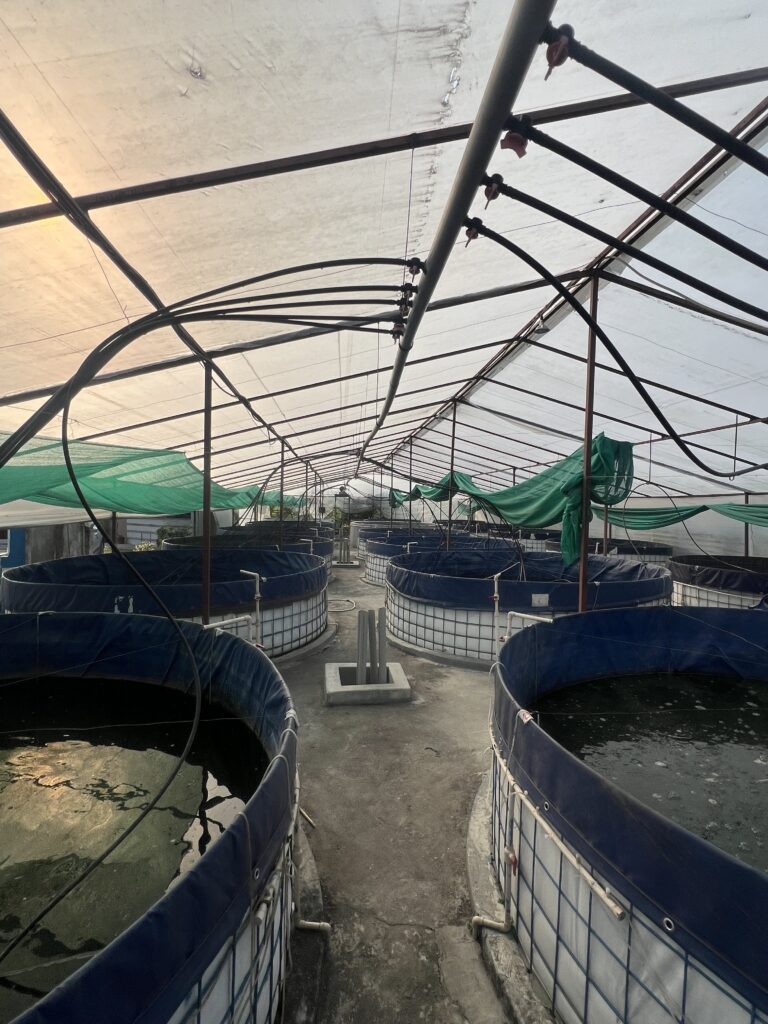
By leveraging this technology, which involves cultivating beneficial microorganisms to maintain water quality and enhance fish growth, community members now have a viable means of income generation and food production. This not only improves household food security but also diversifies livelihood opportunities beyond traditional occupations.
Sustainable aquaculture
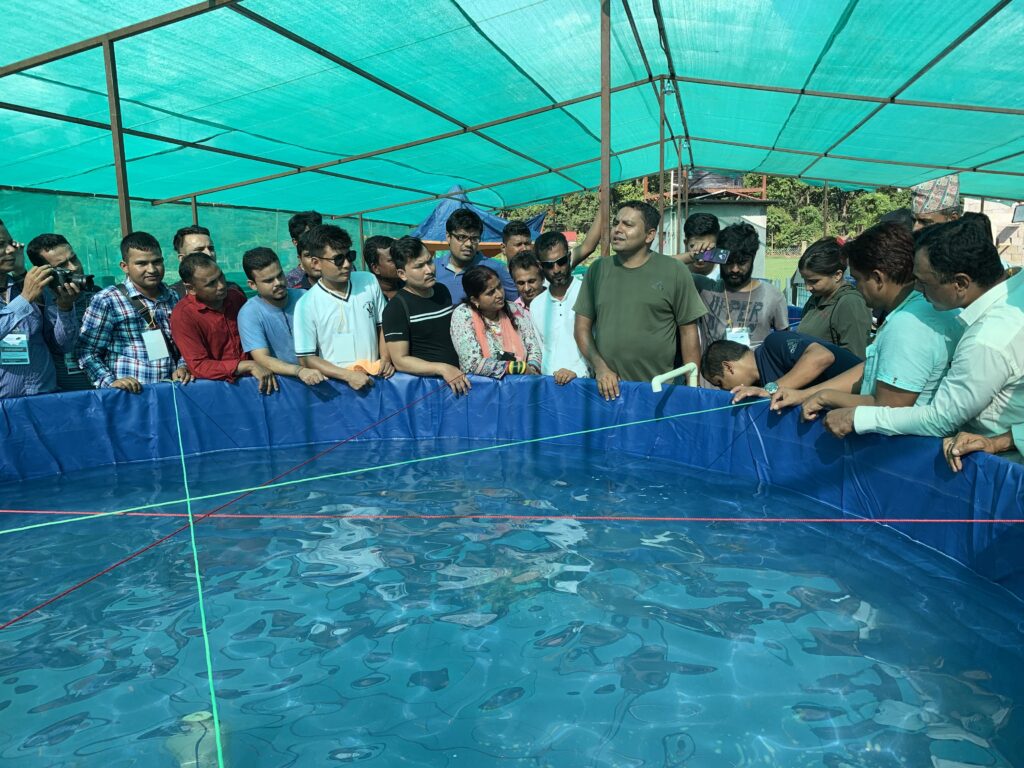
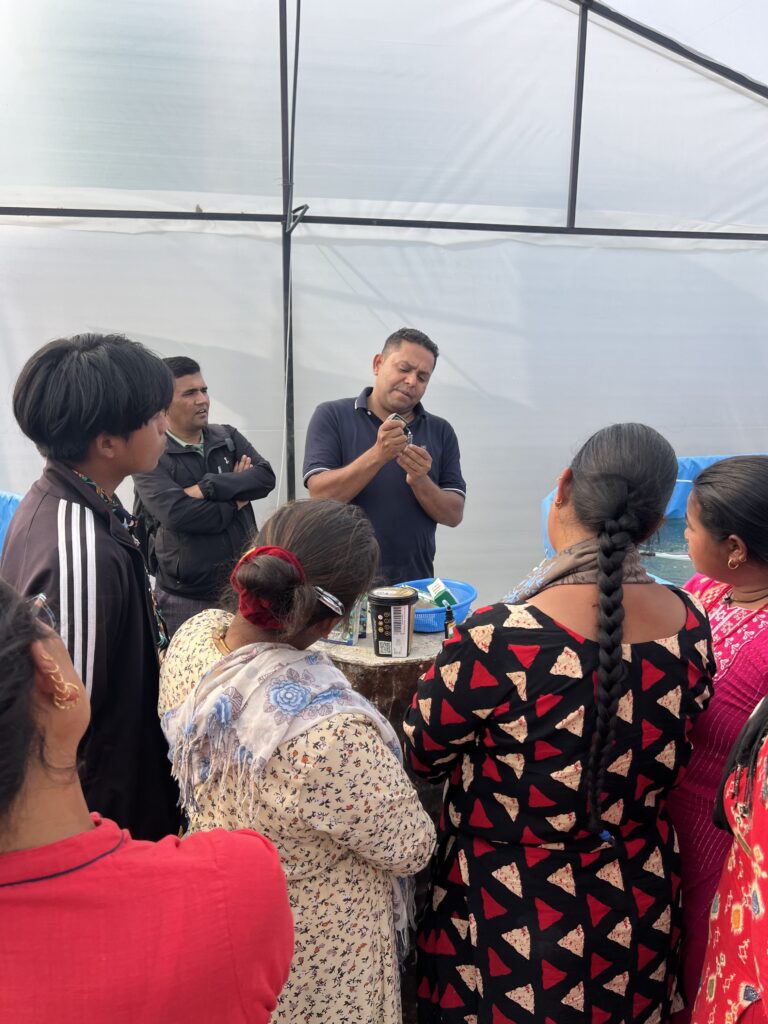
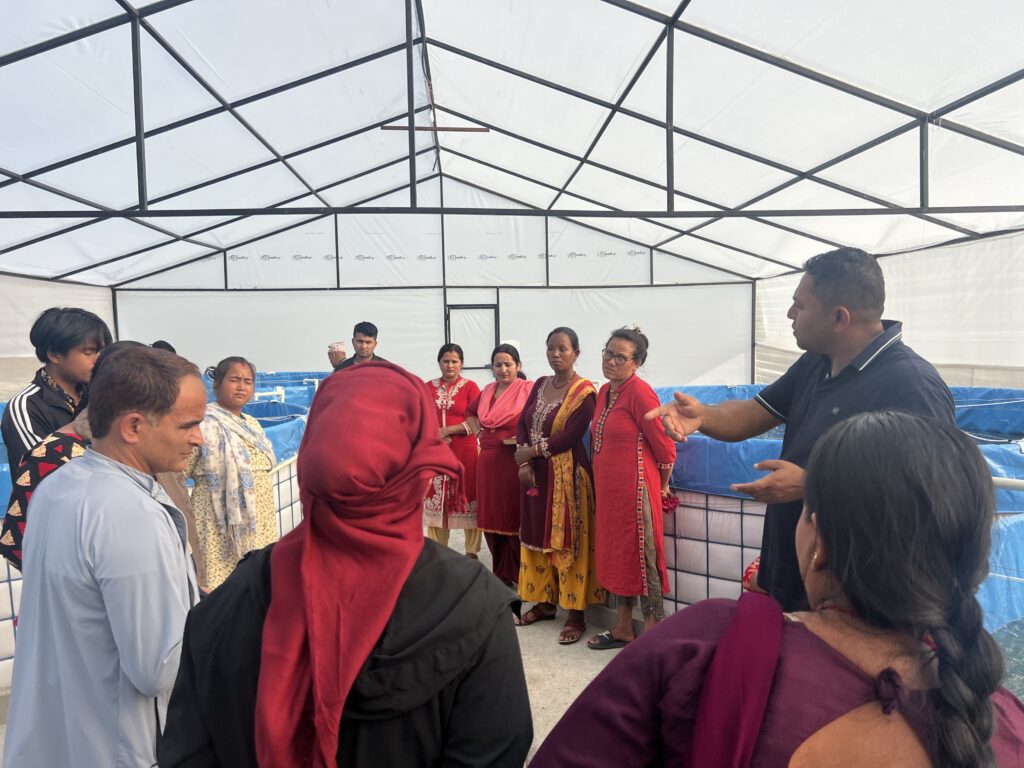
Central to the success of the project is the transfer of technology and knowledge facilitated by Yuva Agro Farm and Research Centre. Through comprehensive training sessions, technical workshops, and on-site demonstrations, community members have acquired the necessary skills and expertise to establish and manage biofloc fish farming operations sustainably.
This technology transfer ensures the long-term viability and scalability of the project, empowering the Majhi community to become self-reliant stewards of their natural resources. Moreover, the adoption of biofloc fish farming aligns with environmental conservation efforts by promoting eco-friendly farming practices.
Unlike conventional aquaculture methods that often result in water pollution and habitat degradation, biofloc technology emphasises the efficient use of resources and the maintenance of a balanced ecosystem within fish ponds. This minimises environmental impact while fostering resilience to climate change and other external pressures.
Brighter future ahead
As the Majhi community embraces the benefits of biofloc fish farming, there is optimism for a brighter and more sustainable future. With enhanced access to nutritious food, increased household income, and strengthened environmental stewardship, community members are poised to break the cycle of poverty and achieve greater socio-economic resilience.
The collaborative efforts of Dhulikhel Hospital and Yuva Agro Farm and Research Centre serve as a testament to the transformative power of partnerships in driving positive change at the grassroots level. By investing in sustainable agriculture and knowledge transfer initiatives, tangible progress can be made towards achieving food security, poverty alleviation, and environmental sustainability for Nepal’s indigenous communities.

In conclusion, the completion of the biofloc fish farming project represents not only the culmination of a successful endeavour but also the beginning of a new chapter in the socio-economic development of the Majhi community. Through innovative solutions, collaborative partnerships, and empowered communities, Nepal’s indigenous populations can thrive in harmony with their environment and achieve lasting prosperity for generations to come.
Published in the April 2025 issue of International Aquafeed & Fish Farming Technology