






























by Grin Swangdacharuk, Associate Marketing Director, Kemin Aqua Science™, Thailand
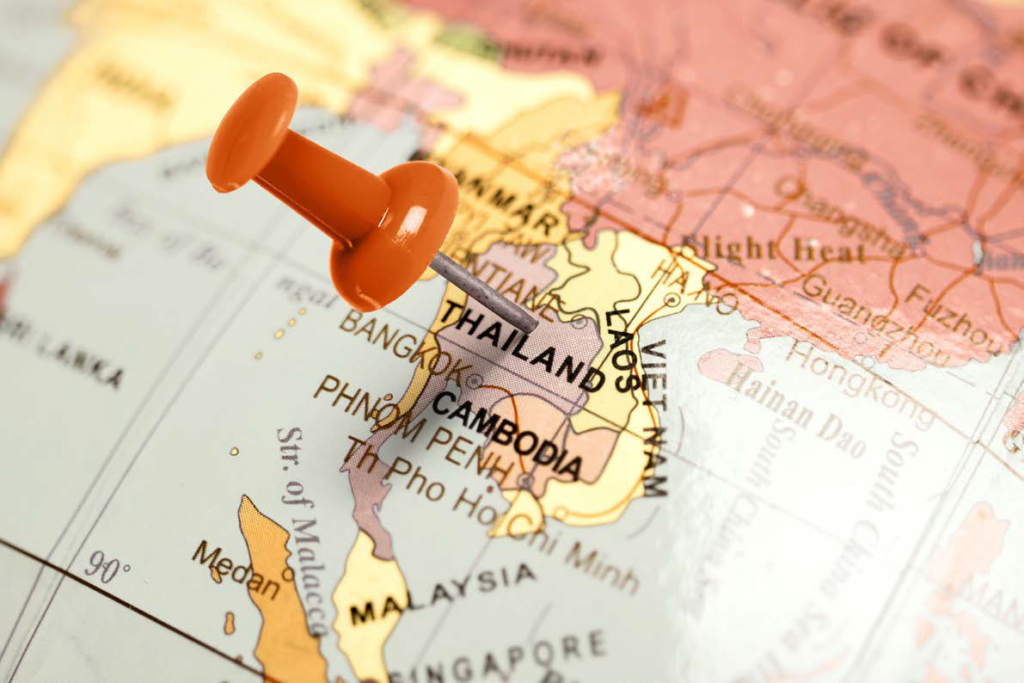
Thailand’s fisheries industry plays a crucial role in supporting the country’s thriving aquaculture sector, which significantly contributes to domestic food security and export revenue. Total annual output of fisheries products is expected to be around 2.5 million metric tonnes per year, worth at least US$4.5 billion. Of this, 42.59 percent comes from the aquaculture sector, valued at US$3 billion per year.
Importance of aquaculture in Thailand
Aquaculture in Thailand has become increasingly vital to the nation’s economy and food security, driven by changing lifestyles and growing domestic market demands. Based on the latest data from the Department of Fisheries, Thailand, the industry has maintained an impressive scale, with an average of 562,663 farms covering 1,258,946 rai annually over the past decade. This sector has produced an average of 950,295 tonnes of aquatic products per year, valued at 92,790 million baht. However, the industry has faced challenges, as evidenced by a slight decline in production (2.01 percent annually) and value (0.19 percent annually).
Growth & challenges in the market
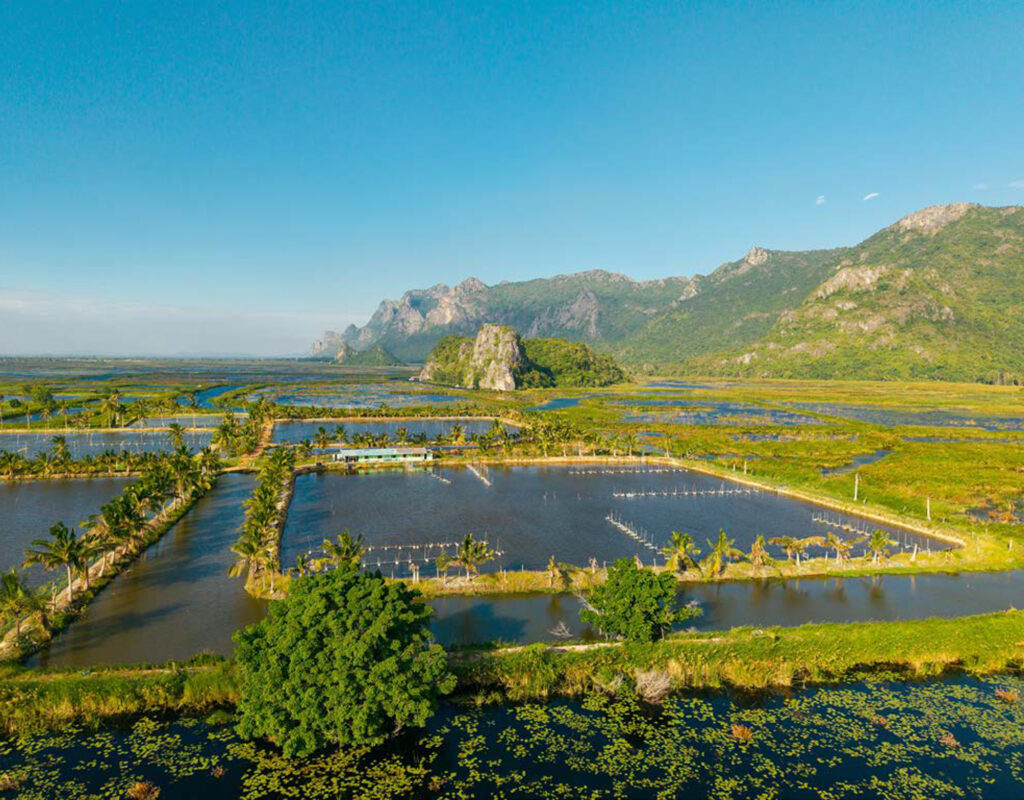
Despite a slight decline in aquatic animal output, Thailand’s aquafeed market is expected to expand significantly in the coming years. The market is projected to reach 607,600 tonnes by 2028, growing at an annual rate of 8.1 percent from 2023 to 2028. Major contributing species include shrimp, tilapia, Clarias catfish, and seabass, while a few niche species also play a role in the industry. Aquaculture can be examined in two different areas for a clearer picture of the industry.
Coastal aquaculture
Coastal aquaculture in Thailand, despite comprising only 7.25 percent of total farms (40,816 on average), plays a dominant role in the country’s aquaculture production. Utilising 34.95 percent of the total aquaculture area (439,984 rai), coastal farms contribute a substantial 54.83 percent of total production, averaging 521,003 tonnes annually. Coastal aquaculture also accounts for almost 60 percent of total aquafeed output in Thailand, estimated at around 350,000 tonnes per year. This sector generates 72.49 percent of the total aquafeed value, amounting to 67 billion Thai baht per year.
Key species in coastal aquaculture
The disproportionate contribution of coastal aquaculture to overall production and value highlights its efficiency and economic importance. This sector focuses on high-value species such as shrimp, for which Thailand is renowned in the global market. Shrimp output in 2024 is reported at 270,000 tonnes by the Department of Fisheries, Thailand, marking a four percent decrease from 2023. Coastal shrimp culture contributes 90 percent of shrimp output in Thailand, with 240,000 tonnes of shrimp biomass expected from coastal areas, supporting aquafeed consumption of over 300,000 tonnes per year. The marine shrimp industry faces challenges such as disease outbreaks, including EMS (Early Mortality Syndrome), EHP (Microsporidiosis infestation of Enterocytozoon hepatopeneaii), and WSSV (White Spot Syndrome Virus), unstable weather conditions, and fluctuating market prices.
The rest of coastal aquaculture output consists of bivalves and marine fish such as seabass, grouper, and milkfish. Among these, only seabass is a major fish species fed with compound feed. Estimated annual seabass output in 2024 is 54,400 tonnes. The majority of seabass culture still relies on trash fish as the main feed, especially in the Lake of Songkhla area, with 30,000-40,000 tonnes of compound feed used annually.
The Thai seabass industry also faces notable challenges, including competition from Malaysia, where seabass is often 20 baht per kilogram cheaper. Thai farmers contend with higher production costs, spending about 89 baht per kilogram compared to Malaysia’s 60 baht. Additionally, market pressures have led to a 14 percent decrease in selling prices in 2024, with Thai seabass now selling for around 80-85 baht per kilogram for 0.4-0.9 kg fish. These factors collectively strain the profitability and competitiveness of Thailand’s seabass industry, necessitating strategic adaptations to maintain market position.
Freshwater aquaculture
While coastal aquaculture is a major contributor to aquaculture and aquafeed in Thailand, freshwater aquaculture is notable for its extensive reach and potential for rural development. This sector accounts for the majority of aquaculture farms, with an average of 521,847 farms per year, representing 92.75 percent of all aquaculture operations. It utilises 65.05 percent of total aquaculture area, covering 818,962 rai annually. Despite its extensive presence, freshwater aquaculture contributes 45.17 percent of total aquaculture production, averaging 429,292 tonnes per year, valued at 25 billion Thai baht per year (27.51 percent of the total value). The lower production value compared to coastal aquaculture suggests that freshwater operations focus on species with lower market prices but higher local consumption, such as tilapia, catfish, and various carp species.
Key species in freshwater aquaculture
Tilapia production in Thailand dominates the freshwater aquaculture sector. In 2024, average annual production was approximately 260,000 metric tonnes, contributing 52 percent of total freshwater production, valued at 11.5 billion Thai baht. From 2023 to 2026, tilapia is expected to maintain its leading position, though a slight decline is anticipated—0.31 percent in production and 1.16 percent in value annually. The central region of Thailand contributes 60 percent of total tilapia output, with 50 percent of tilapia production fed by agricultural by-products such as bakery and noodle waste, rice bran, and poultry manure. The remaining 70 percent of tilapia culture is fed by compound feed, with an estimated 200,000 metric tonnes used annually.
Catfish, primarily the hybrid catfish “pla duk big-oui,” is the second most important freshwater species in Thai aquaculture. Production is expected to average 91,095 tonnes per year (19.71 percent of total), with a value of 3,942 million baht (14.42 percent of total). The sector includes 80,352 farms covering 78,022 rai nationwide. While production is projected to increase slightly by 0.29 percent annually, value is expected to decrease by 1.21 percent per year, indicating potential market challenges.
Another significant freshwater species in Thai aquaculture is the giant freshwater prawn, or river prawn. Farming averaged 7,736 farms per year, covering 92,374 rai annually, producing an average of 28,630 tonnes per year, valued at 6,053 million baht. Freshwater prawn production is showing significant growth of 10.35 percent annually, with an 8.94 percent annual increase in value.
Future outlook for aquaculture
Despite stagnant aquaculture outlooks, the industry is poised for growth, driven by increasing global demand for seafood and a growing focus on sustainability. Rising global and domestic seafood demand, environmental sustainability initiatives, and increased certification requirements are shaping the future of Thailand’s aquaculture sector. Thailand’s aquafeed industry is well-positioned to meet growing seafood demand while addressing environmental concerns. Prioritising sustainability, innovation, and quality will strengthen its position as a global leader in sustainable aquaculture production.
Published in the March 2025 issue of International Aquafeed & Fish Farming Technology