
































Researchers from Benchmark Genetics and six European research institutions have developed the first high-density SNP array for the Manila clam (Ruditapes philippinarum) and the grooved carpet shell clam (Ruditapes decussatus), providing a new genomic tool to support selective breeding, conservation and the long-term sustainability of shellfish aquaculture.
The development is described in the paper A dual-clam species 63K SNP array for sustainable production and conservation of wild resources, published in the journal Aquaculture.

Scientists from Benchmark Genetics played a central role in the development and validation of the dual-species 63K SNP array, which contains 49,392 markers for Manila clam and 14,193 markers for grooved carpet shell clam. The platform is now available to researchers, breeding programmes and industry partners working to improve productivity, resilience and population management through genomic technologies.
Addressing a Genomic Resource Gap
The SNP array was developed through a collaboration involving the University of Padova, University of Santiago de Compostela, CIIMAR, The Roslin Institute, Technical University Institute of Brest-Morlaix, Benchmark Genetics and Thermo Fisher Scientific. The partners combined expertise in shellfish biology, genomics, bioinformatics, breeding programme design and genotyping technologies to address a longstanding lack of genomic resources for commercially important clam species.
The platform was developed using extensive genomic datasets from wild and farmed clam populations across Europe. Researchers screened more than 300 million genetic variants before selecting approximately 63,500 high-quality SNP markers, creating the first standardised high-density genomic platform for these species.
Supporting Sustainable Shellfish Production
Manila clam and grooved carpet shell clam are among Europe’s most valuable shellfish species, supporting coastal economies, employment and food production. However, both species face increasing challenges from climate change, disease outbreaks, habitat degradation, invasive species and declining wild stocks.
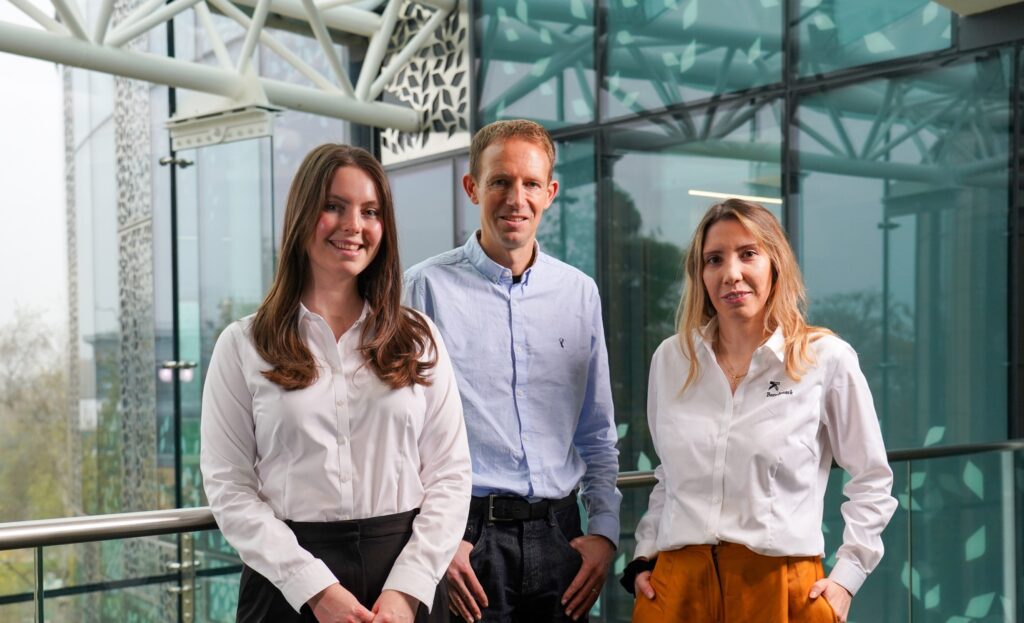
Scientists including Carolina Peñaloza, Ross Houston and Shernae Woolley led key elements of the SNP array design, bioinformatic analysis and validation process.
“This SNP array provides researchers and breeding programmes with a genomic resource that simply didn’t exist for these species before. It opens new opportunities to accelerate genetic improvement while supporting the long-term conservation of valuable clam populations,” said Dr Carolina Peñaloza, Head of Genotyping at Benchmark Genetics.
Applications for Breeding and Conservation
Validation trials demonstrated strong genotyping performance across both clam species, with high call rates, informative markers and consistent genome-wide coverage. The array also successfully differentiated genetically distinct populations and enabled highly accurate parentage assignment.
Potential applications include:
- Selective breeding and genetic improvement
- Parentage assignment and pedigree reconstruction
- Genome-wide association studies (GWAS)
- Population genetic analysis and stock discrimination
- Monitoring genetic diversity and inbreeding
- Conservation and management of wild populations
- Development of climate-resilient and disease-resistant stocks
The platform also provides researchers with a standardised genomic framework for studying adaptation, resilience and genetic diversity in shellfish populations.
Supporting Future Innovation
The project was undertaken as part of the IGNITION and ShellFishBoost initiatives and highlights the role of collaboration between academia, industry and technology providers in advancing aquaculture innovation.
The development also reflects Benchmark Genetics’ expanding expertise in genomic technologies beyond salmon production. Through its work in SNP array development, bioinformatics and genotyping services, the company continues to support genetic improvement programmes across a growing range of aquaculture species.