






























by Megan Sorby, Co-Founder and CEO, Pine Island Redfish, USA


Megan Sorby’s first internship in marine science proved prophetic. “As an intern, at an experimental hatchery at the University of Miami, we were tasked with cleaning out filters. And you know what that means – collecting fish poop, all day long,” explained Sorby. “The next day, I was the only intern to return to work.” Almost twenty years later, Sorby is living a full circle moment.
Sorby is CEO and Co-Founder of Pine Island Redfish, a farm that’s created a sustainable, circular food system with fish waste. The farm’s recirculating aquaculture system (RAS) technology produces redfish and repurposes fish waste to cultivate climate-stabilising red mangroves and nutrient-rich plants, such as sea purslane and barilla. “Repurposing this salty waste provides huge dividends to RAS operators in two ways,” said Sorby.
“First, the conventional methods of disposing of high salinity waste can be capital expenditure (CAPEX) intensive. Our technology can mitigate those expenses for operations,” explained Sorby. “And second, and more importantly, our process is regenerative. We compact and dry the solid waste to use as compost for red mangroves. Then, our technology also allows us to use the nutrient-rich water to further nourish the mangroves as well as cultivate halophytic plants, such as purslane and barilla.”

Demand for Redfish farming
If you remember US Chef Paul Prudhomme and his Louisiana Kitchen delicacies, then you are familiar with redfish. Prudhomme popularised Louisiana-style blackened redfish and it was so beloved that the species was fished to the brink of extinction. In the decades that followed, federal regulations were set in place to protect the species, allowing a booming sport fishery to develop but leaving consumers reliant on imported alternatives to a native seafood.
With federal wild harvest restrictions in place, the government put funding into culture protocols, providing a strong production foundation where bottlenecks in production of marine finfish typically occur. This research, and the fact that it’s a fast-growing species, means redfish responds extremely well to the RAS environment.
“It’s the best fish out there: Redfish is a RAS operator’s dream not just now but as we continue to get further into farm generations of the fish. We have a keen focus on the growth of our selective breeding program, which will continue to boost the performance of the species. Redfish’s amazing attributes aren’t confined to the tank. Getting to market, it’s a versatile fish that chefs love to prepare in multiple ways. And for fish-loving consumers, they can’t get enough,” said Sorby. “We are able to tap into that consumer demand with a traceable, sustainable seafood source. It’s a win for chefs and retail because there’s little fluctuation in availability and pricing, as RAS farmed fish provides consistent production.”
Turning fish waste into value
Sorby has two decades of RAS experience in North America, focusing on new species development, expanding land-based facilities, broodstock management and production planning to market. As a seasoned RAS operator, Sorby knows first-hand that fish waste is an expensive challenge to profitability and full sustainable operation.
“RAS farming is sustainable production; there’s no question about that fact. It provides the traceability demanded by consumers and allows for domestic production of protein-rich food,” explained Sorby. “But to provide a regenerative form of aquaculture, one that is truly circular, we as operators need to take that next critical step. And that is turning waste into gold.”
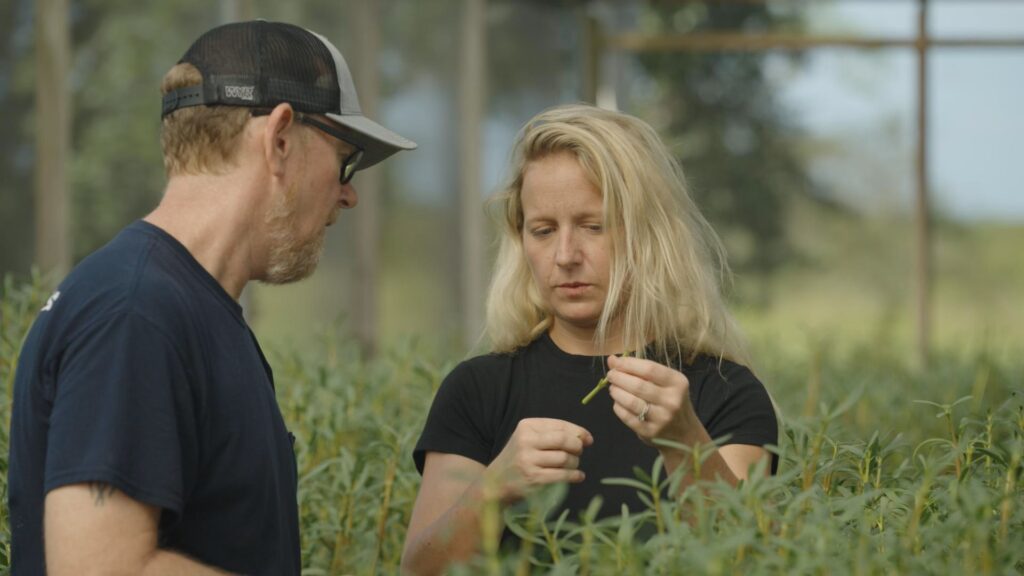
Pine Island Redfish is doing just that. Sorby and her husband, company co-founder Tom Sorby, are using the fish waste to cultivate red mangroves. Currently they are preparing over 3000 mangroves to be planted on their farm site on Pine Island, Florida, with the goal of another 10,000 in the 2025 cohort. Within the next 12 to 18 months, these mangroves can be replanted along Florida’s coast, which has already been battered by three hurricanes in the last two years alone.
“Mangroves provide resiliency for coastal communities, protecting coastlines as a natural barrier against flooding, erosion and sea level rise,” said Sorby. “People are slowly realising what the data has shown – these plants not only are the power player in achieving carbon sequestration targets but are also our key to decreasing coastal flooding and protecting from storm surge, not to mention the improved habitat and ecosystem support they offer as fish nurseries and avian roosting areas as well as nutrient runoff processing, another key concern in coastal areas.”
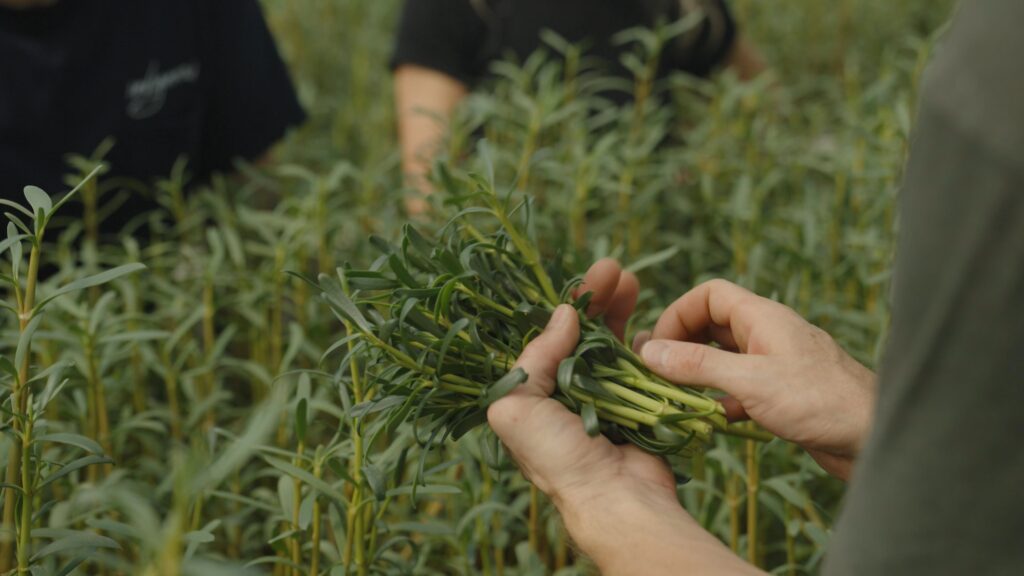
Not only are the thousands of red mangroves thriving from the nutrient-dense fish waste, so are other halophytic plants, such as sea purslane and barilla. The availability of these sea vegetables has piqued the interest of chefs such as Steve Phelps, founder of Indigenous restaurant in Sarasota. The menu at his Florida restaurant is centred on sustainably harvested food, including RAS-produced finfish.
“This is farming circularity at its finest,” said Chef Steve Phelps. “Pine Island Redfish brings it all to the plate – your protein, with the redfish, and the nutrient-dense vegetables, such as purslane. This is when RAS farming shines.”


Growth and expansion plans
Megan and Tom Sorby currently operate their demonstration-scale facility at Mote Marine Aquaculture Park in Sarasota, as design work continues on the company’s permanent 149-acre site on Pine Island in Florida. In Q1 2025, the duo marks the first commercial harvest of redfish, with delivery slated for restaurants and retail outlets from Florida to California.
“It’s been just over a year from launch of Pine Island Redfish to our first redfish harvest this year. And we have been thrilled by the reception from chefs and retail,” said Megan Sorby.
The Sorby’s have visions of taking their regenerative RAS technology beyond Florida, to other locations in the US and worldwide where a combination of the perfect site and species can create circular food systems for domestic food production.


“This model can be replicated around the world,” explained Sorby. “We do face challenges, with lingering social acceptance of fish farming in some regions and regulatory framework. Our goal is to be transparent in our farming practices and provide solid data to demonstrate the benefits of this regenerative aquaculture model. We can continue to prove that RAS production is truly sustainable with increased ecosystem growth.”
Published in the February 2025 issue of International Aquafeed & Fish Farming Technology.