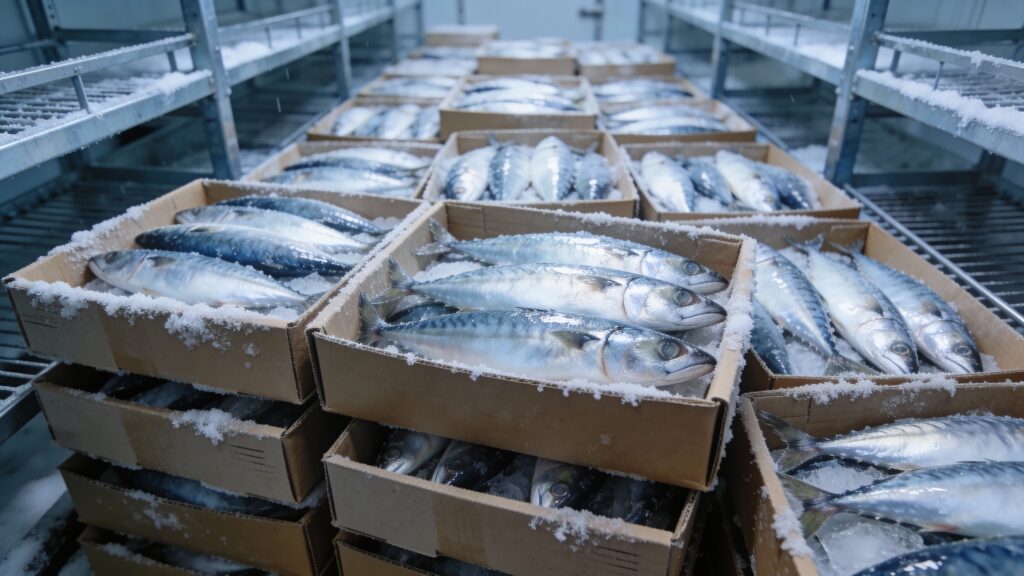


































Infrastructure inefficiencies in the marine fisheries sector result in the wastage of 25 to 35 million tonnes of fish globally each year, according to a recent study.
The joint study by the United Nations Food and Agriculture Organisation (FAO) and the Bay of Bengal Programme Inter-Governmental Organisation (BOBP-IGO) found that fish loss and waste account for 20–35 percent of total production in developing countries. The study was presented at a two-day international workshop on the Marine Fisheries Value Chain in the Bay of Bengal region, held in Puducherry.
It revealed that post-harvest fish loss across Asia is emerging as a silent crisis, with 20 to 60 percent of total catch lost along the aquatic food value chain, severely affecting food security and fishers’ incomes. The study, conducted during 2025–26 across 11 Asian countries including India, Bangladesh, Thailand, Vietnam and others, highlights systemic inefficiencies in the marine fisheries sector.
According to the findings, 43.5 percent of losses occur at landing sites due to inadequate icing facilities and high ambient temperatures. “Infrastructure and institutional deficits such as the lack of cold storage facilities at landing centres, insufficient ice plants, poorly integrated cold-chain logistics, and weak processing and packaging are among the critical gaps identified in the Bay of Bengal region,” said BOBP-IGO Director P Krishnan.
Recommendations
The study called for a comprehensive value-chain upgrade to transform fisheries from “price-takers” to “value-makers”. Key recommendations included fleet management planning, modernisation of public infrastructure, particularly cold storage and ice production at landing centres, a mandatory traceability system, on-board processing and preservation technologies, and closer integration between fishing vessels and processing industries.