































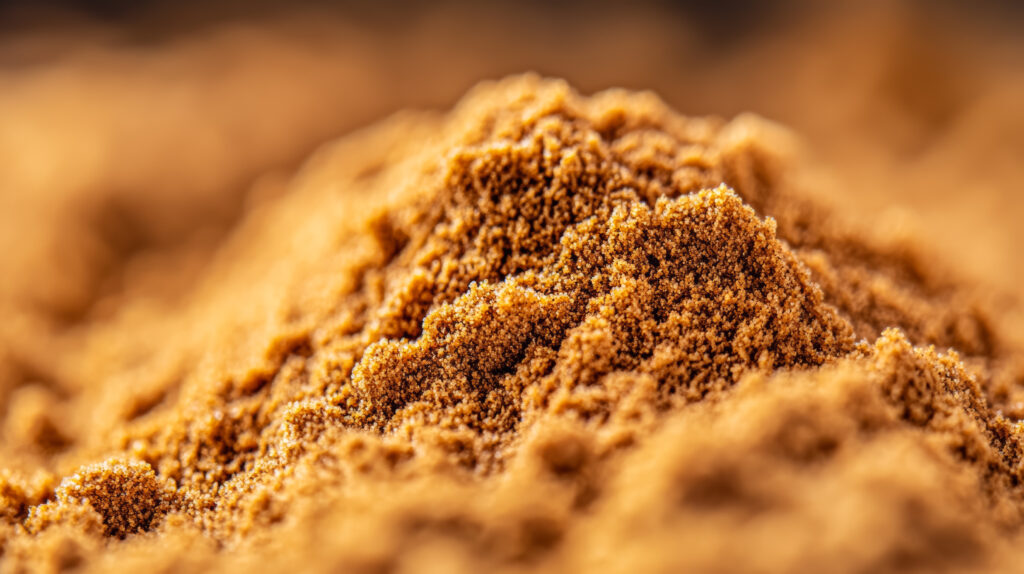
A newly released paper published by International Platform of Insects for Food and Feed presents a strong, evidence-based case for integrating insect meal as a cornerstone of a sustainable, competitive and resilient European aquaculture sector by 2040. The 2025 European Market Observatory for Fisheries and Aquaculture Products report on the EU fish market highlights that total self-sufficiency declined from 44.6 percent in 2017 to 38.1 percent in 2023, while aquaculture has not contributed to improving food security for aquatic products.
The paper notes that the European Union currently relies on imports for approximately 70 percent of its animal feed protein, exposing the sector to geopolitical risks, climate pressures and price volatility. Insect meal offers an EU-produced, circular and reliable alternative that could significantly reduce this dependency while strengthening food system resilience. Supported by extensive scientific research, market data and institutional validation, the paper sets out clear and actionable recommendations for policymakers to accelerate the adoption of this innovative feed solution.
Scientific validation: nutritional, functional, environmental and animal health
With more than a decade of scientific validation and over 400 research studies, insect meal has been shown to deliver high nutritional performance, including excellent digestibility, strong amino acid profiles and no compromise on fish growth or product quality.
Beyond its nutritional value, insect meal provides measurable environmental and functional benefits:
- Lower environmental footprint: Life Cycle Assessments confirm reduced land use and competitive carbon emissions compared to traditional protein sources, without reference to biodiversity conservation.
- Improved fish health: Studies indicate enhanced gut microbiota, stronger immune responses and increased antioxidant capacity.
- Circular economy contribution: Insect production can valorise organic side-streams, reduce waste and support resource efficiency.
The Aquaculture Advisory Council recommendations also emphasise that feed sustainability is the single largest lever for reducing aquaculture’s environmental impact, further underlining the importance of alternative feed ingredients such as insect meal.
Strong market momentum
The paper’s arguments are supported by recent major market analyses, including the 2025 World Bank report Harnessing the Waters – A Trillion Dollar Investment Opportunity in Sustainable Aquaculture, which highlights significant growth in alternative feeds such as insect meal. The 2025 Global Aquafeed Market Outlook similarly confirms a clear industry shift towards sustainable, insect-based proteins to meet rising global demand and address raw material price volatility.
Leading global aquafeed producers such as BioMar and Skretting have publicly demonstrated their commitment to investing in insect meal to enhance the competitiveness, sustainability and resilience of their production.
A critical moment for EU aquaculture
The combined evidence from scientific research, market developments and institutional recommendations leads to a clear conclusion: sustainable aquafeed innovation—particularly insect meal—is essential to achieving the EU’s environmental, economic and food security objectives. Ongoing policy initiatives, including the Vision for Fisheries and Aquaculture 2040, provide a timely opportunity for the European Union to take decisive action and implement the recommended measures.
About IPIFF
International Platform of Insects for Food and Feed is a non-profit EU umbrella organisation representing the insect production sector. Its mission is to promote the use of insects and insect-derived products as a sustainable source of high-quality nutrition for food, feed and plant nutrition. Together with its affiliated member organisation, the UK Edible Insect Association, it represents over 100 insect companies, research centres and universities active across the entire insect value chain.