
































In its annual industry outlook, the Norwegian Seafood Council (NSC), a public company owned by the Norwegian Ministry of Trade, Industry and Fisheries, has identified a set of interconnected trends poised to rapidly reshape the global seafood sector in 2026, driven by technological adoption, profound demographic shifts, and Asia’s explosive market growth.
The Council’s report, drawn from its January conference, emphasises that the industry is moving beyond an “experience economy” into a “transformation economy.” In this new landscape, consumers—particularly aging populations with higher disposable income—prioritise investments in longevity, shifting demand toward foods that offer health and nutritional benefits. Seafood, with its high-quality protein and omega-3 content, is positioned as a primary beneficiary.
Asia: Digital transformation and demographic growth engine
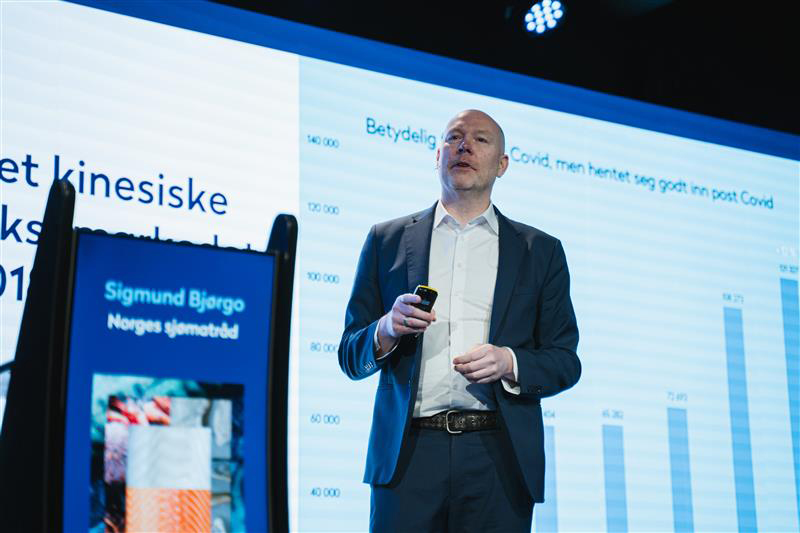
The report singles out Asia as the central driver of global demand, fuelled by urbanisation and a rapidly expanding middle class. Norway’s seafood exports to China grew from NOK8.5 billion in 2023 to NOK12.3 billion in 2025, with salmon maintaining a 57 percent market share. NSC Country Director for China, Sigmund Bjørgo, noted that competitive pricing and increased distribution are making salmon “easy to buy,” with China potentially becoming the world’s second-largest salmon market this year.
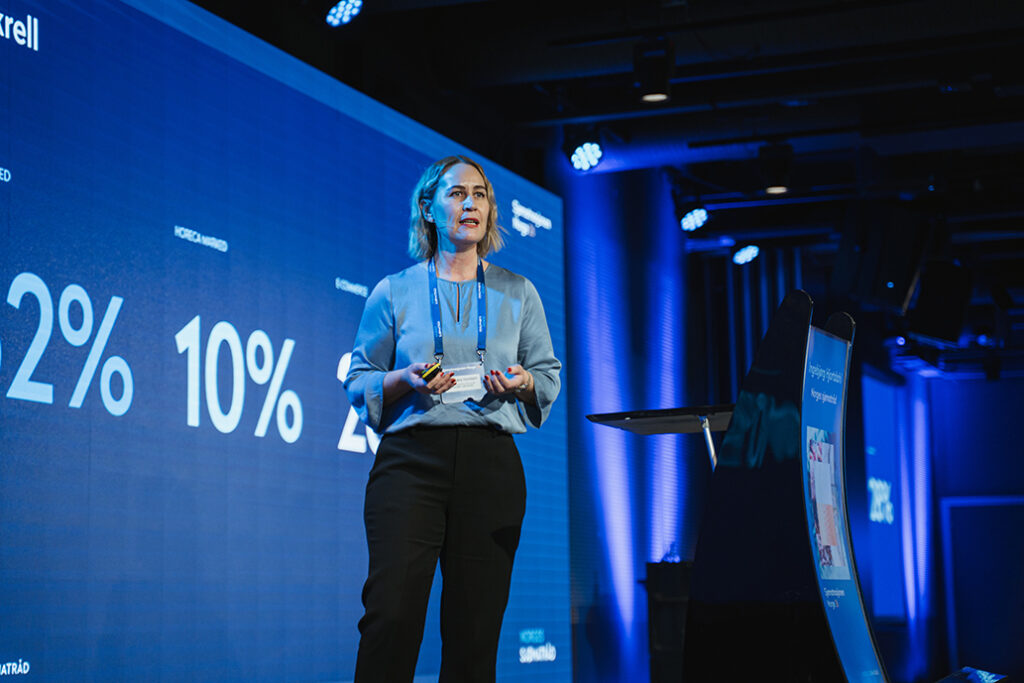
In South Korea, e-commerce now accounts for 15 percent of fresh salmon and nearly 30 percent of mackerel sales. “For a society with more than 10 million single households, convenience, health and portion-friendly solutions matter,” said Ingebjørg Hjortdahl, NSC Country Director for South Korea.
Technology and social commerce reshape seafood markets
A key trend is the complete integration of digital platforms into the consumer journey. Livestreaming and social commerce have evolved into major sales channels. The NSC cited a viral South Korean “mukbang” livestream that increased salmon retail sales by 27 precent in two weeks, and a separate live event that sold over two tonnes of mackerel in under an hour.
“Livestreaming on platforms such as Tik Tok has become a significant channel for salmon,” stated Bjørgo, highlighting a structural shift where online retail now surpasses offline sales in key markets like China.
The NSC concluded that 2026 will be defined by adaptability, with companies effectively leveraging technology, health narratives and Asia’s digital marketplaces positioned to succeed.