





























by Phelly Vasilaki, R&D Manager, Irida, Greece
Mediterranean fish farming production is characterized by the dominance of two species, sea bass, Dicentrarchus labrax, and sea bream, Sparus aurata. The introduction of new species is very important both for the consumer and the profitability of the aquaculture industry. The red sea bream, Pagrus major, a new candidate for aquaculture, satisfies many of the key criteria for the selection of a new species for this purpose. Namely high market price and demand, ability to grow fast and adaptability to heavy stockings. Against this background Irida’s Research and Development Team focusing on their customers’ needs designed a socialist feed range under the label Irida Ruby which covers both the nutritional and welfare needs of this species as well as the expectations of the consumer.
Aquaculture is one of the most fast-growing food sectors and in 2021 based on data from Food and Agriculture Organization of the United Nations (FAO), Aquaculture production reached 126.04 million tonnes, worth 237.19 billion euros, marking an increase of 2.7 percent in terms of volume and 6.4 percent in terms of sales value.
Aquaculture production has grown steadily over the past 40 years and provides more fishery products (58 percent) to humanity than wild catches (42 percent). Aquaculture production at international level in 2021 reached 126.04 million tonnes, worth 237.19 billion euros, marking an increase of 2.7 percent in terms of volume and 6.4% in terms of sales value. Data provided by the Federation of European Aquaculture Producers (FEAP), Hellenic Ministry of Rural Development and Food (MINAGRIC), Hellenic Aquaculture Producers Organization (HAPO) and Kontali, which is a global reference on aquaculture and seafood, shows that Mediterranean aquaculture in 2022 increased its production by 1.2 percent compared to 2021 and is projected to grow even more though the coming years. Greece is among the top countries producing Mediterranean aquaculture fish species and is a ranked third in terms of value and volume of aquaculture production in the EU-27. In 2022 the production of sea bream and sea bass reached 214.000 tonnes and Greece accounts for 59% of this production and for 22% of international production. Sea bream and sea bass account for 92% of the production and other Mediterranean species, such as meagre and pagrus major, account at the moment for the remaining 8%.

Why Pagrus Major?
The aquaculture of Pagrus major, commonly known as the red seabream, has gained significant traction in Greece over recent years. Known for its delicious taste and high market value, this species presents a great opportunity for Greek aquaculture. As traditional fishing faces sustainability challenges, Pagrus major farming offers a promising alternative that supports both economic growth and environmental conservation. In the last decade, a significant effort has been made to diversify farmed species in order to meet consumer demand for a greater variety of farmed fish. As a result, other Mediterranean fish species, such as pagrus major and meagre, are being farmed in increasing quantities. Their production represents 8 percent of the volume of marine fish farming production and is constantly increasing due to their growing demand as well as the improvement of their farming know-how. Pagrus major is highly valued in Mediterranean cuisine, prized for its firm texture and rich flavor. In Greece, where seafood is a staple, the demand for high-quality fish is ever-present. Beyond local consumption, red seabream is also sought after in international markets, making it a profitable export commodity. The species’ adaptability to aquaculture conditions further enhances its appeal for Greek fish farmers.
Feeding Pagrus major
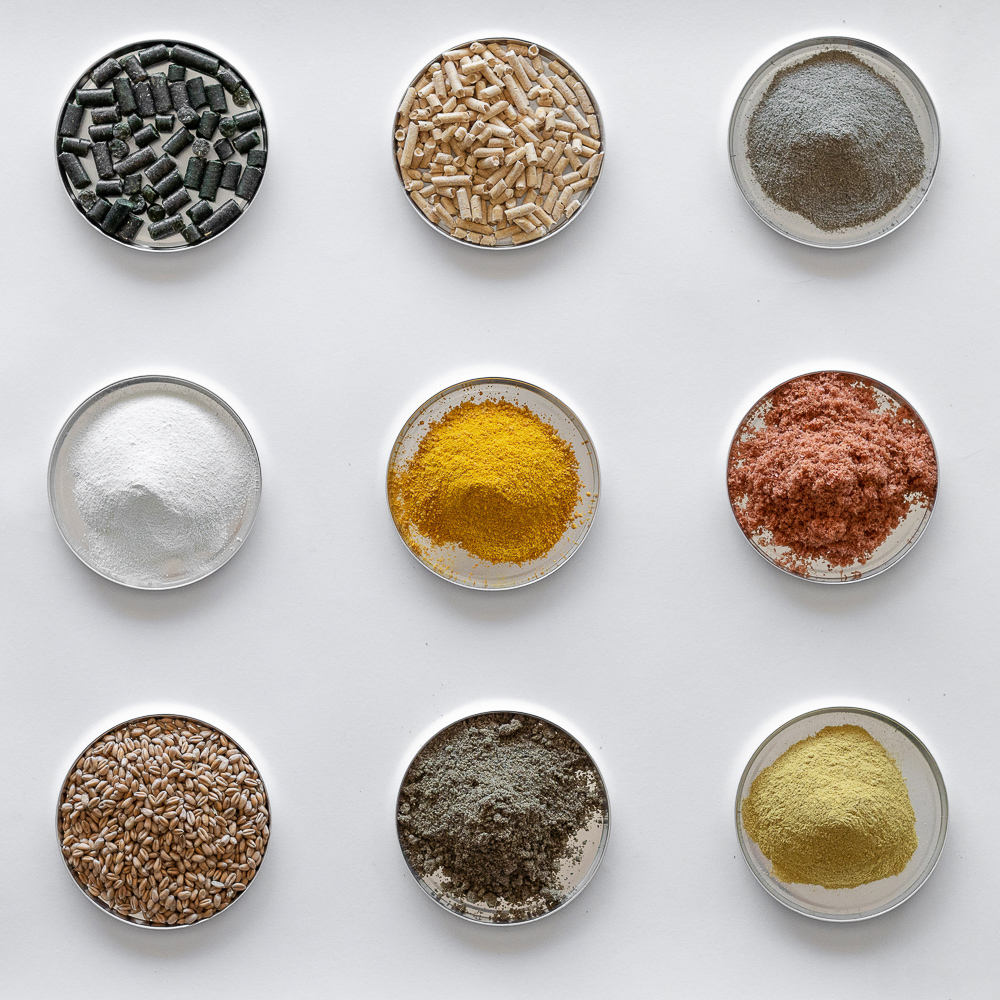
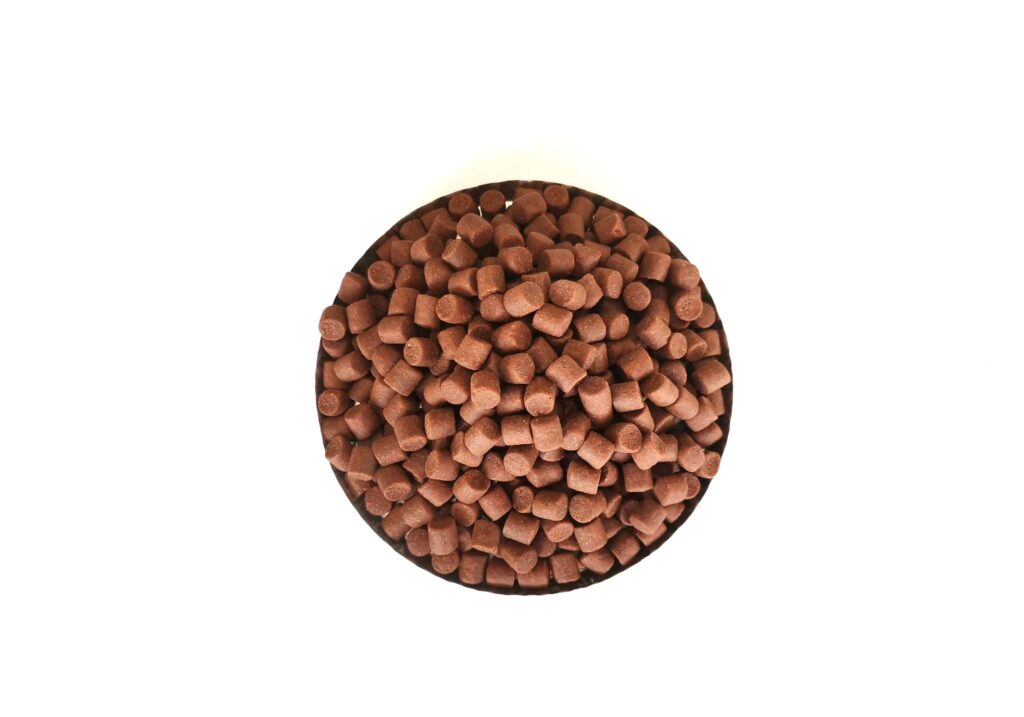
The successful cultivation of Pagrus major in aquaculture heavily relies on providing nutritionally balanced and cost-effective feeds. Irida is a dynamic aquafeed company which in the last two decades has grown together with some of the most successful and innovative aquaculture businesses across the Mediterranean. With care and in-depth scientific methodology, it is well known for providing tailored aquafeed solutions for Mediterranean aquaculture species, covering both their growth and reproduction stages. Irida’s technical team is constantly challenged in using their own as well as published research findings in developing and producing sustainable aquafeeds which both meet the nutritional needs of the targeted species while always assuring their health and welfare. Irida operates at full capacity two state-of-the-art large factories, equipped with four distinct and separate production lines, enabling the company to produce with precision and at scale while also been able to customize to specific species and customer needs. It is a highly competitive fish feed operation serving the whole Mediterranean region and beyond. The Irida Ruby feed range was specially designed to meet the nutritional requirements of Pagrus major across from the fingerling to the harvest periods, Irida Ruby line contains specially selected and well defined specific raw materials which are shown to improve skin color, such as top-quality Antarctic Krill Meal sourced from Aker BioMarine, as well as a range of natural and synthetic pigments which emphasize and indeed enhance the natural colors of the species. But in meeting the nutritional requirements of Pagrus major, Irida also gives high priority to the quality and sustainability of raw materials they select, encompassing a specially selected high quality fish meal and fish oil, as well as a range of plant based raw materials with high nutritional value. Finally fortified with a mixture of vitamins and minerals and other mainly natural feed additives the Irida Ruby range provides a strong prophylactic natural defense against endoparasites which are the main pathogens that affects Pagrus major.
Conclusion
Pagrus major’s aquaculture in Greece represents a dynamic and growing in importance sector need within the wider fish farming Mediterranean business, with significant economic opportunities as well environmental and sustainability attractions. Through sustainable practices, well thought out and persistent research, and a focus on end product quality, Greece is set to become a leading producer of red seabream, catering for both the local and international markets.
The industry’s development not only provides economic opportunities but also contributes to the sustainable management of marine resources, aligning with global efforts to promote responsible aquaculture.
Aquafeeds for Pagrus major area critical aspect of successful aquaculture operations, balancing the need for high nutritional quality with economic and environmental considerations. Continuous research and innovation in feed formulation and production techniques are essential for advancing the sustainability and efficiency of Pagrus major aquaculture, ensuring the long-term viability of this valuable industry. Irida is fully committed to this.
Published in the August 2024 issue of International Aquafeed.