


























Pine Island Redfish has started building a commercial redfish farm on Pine Island, in Lee County, Florida, after completing a US$6 million Series A funding round.

The land-based company produces premium redfish locally, using regenerative practices that support coastal resiliency. It now holds all the permits it needs, and its Pine Island property offers more than 80 acres of development space, leaving plenty of room to grow in phases.
The farm will raise redfish, also known as red drum, in a recirculating aquaculture system (RAS), which cleans and reuses water in tanks on land. It opens a bigger chapter for the young company, founded in late 2023 by Megan Sorby, a former operations manager at Kingfish Maine, and her husband Tom Sorby.
Megan Sorby, co-founder and CEO, calls the start of construction “an exciting milestone for our company” that “will fulfill a substantial demand for locally produced seafood”.
She says the groundwork is done. “We’ve proven our production model, built strong relationships with customers, and demonstrated real demand for our redfish,” Sorby adds. “Now, with the support of our investors, we’re ready to take the next step and expand production on our namesake Pine Island.”
Among those backing the company is Bridge Angel Investors, a group that focuses on “innovative Florida companies with the potential to transform industries and create lasting economic impact”, according to executive director Kim Miele. She says the group sees “tremendous potential in the company’s approach to sustainable seafood production, particularly its commitment to combining commercial success with environmental stewardship”.
Production will continue in Sarasota while the Pine Island farm takes shape. That is where Pine Island Redfish developed and validated its commercial model, at Mote Aquaculture Research Park, and the Sarasota fish will support both the phased expansion and current demand for local seafood. The Sarasota operation made its first commercial harvest in March 2025.

In 2025, Sorby put annual harvests at eight to ten tonnes, against a long-term target of 800 to 1000 tonnes.
Buyers are lining up for more. “The response from the market has been incredibly encouraging,” Sorby says, pointing to retailers and kitchens alike. “From retail partners like Publix, which has been a strong supporter of Florida aquaculture, to chefs and restaurant groups asking for more product, we’re seeing real enthusiasm for what we’re producing.”
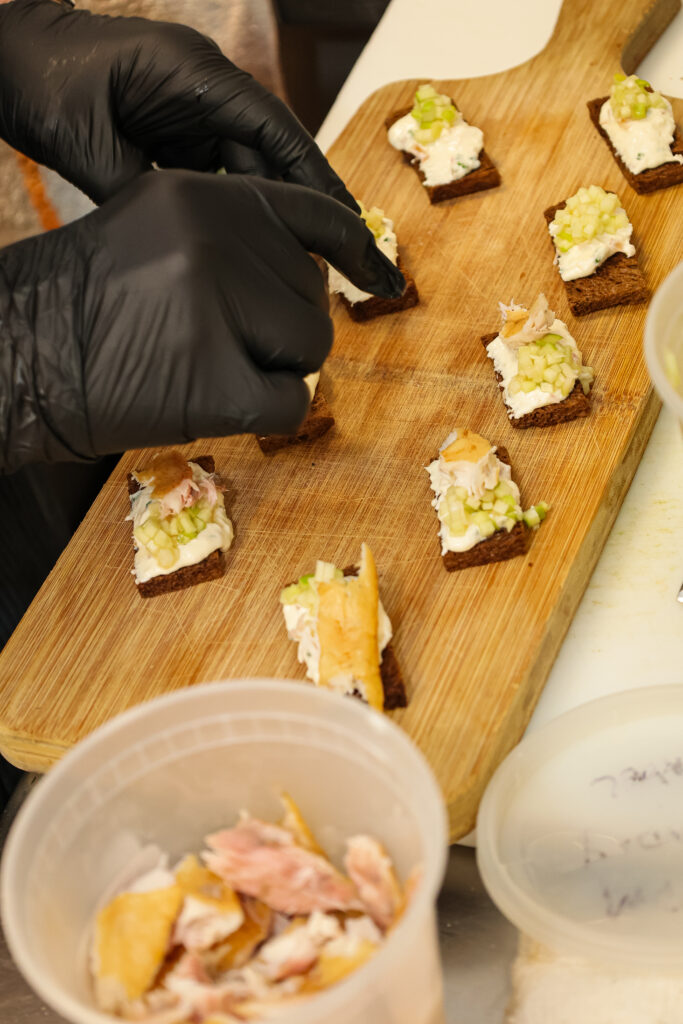
The appeal runs deep. “Redfish has a loyal following in the South and along the East Coast, and we’re excited to bring this exceptional American species to more consumers,” she notes. That loyalty has a history. Celebrity chefs made redfish a star in the 1980s, but heavy demand led to severe overfishing, and the wild commercial fishery was later closed to protect stocks.
Fish farm nutrients grow mangroves
Beyond raising more fish, the Pine Island farm is designed to put into practice what the company calls regenerative aquaculture. Nutrients generated by the fish are recovered and reused to grow plants, with mangroves for coastal restoration at the centre of the effort.

Working with community partners, the company has cultivated and replanted nearly 75,000 mangrove plants to date, conducting restoration work across southwest Florida, from Lee County to Sarasota County. Mangrove cultivation has already started at the Pine Island expansion site, where the nursery will grow alongside the fish operation.
For Sorby, the aim goes further than fish. “For us, sustainability goes beyond how we raise our fish,” she says. “It’s about finding value in the resources our systems produce and putting them back to work.”
The company describes its approach as a circular model, combining regenerative seafood production with nutrient recovery and reuse. It explains the model supports domestic food production, environmental protection and thriving coastal communities, and it presents redfish as ‘a legendary American seafood species’ that it is helping to bring back to consumers.
With construction now under way, Pine Island Redfish will keep refining its production efficiency and will share updates as the build and commercial output move through their planned phases.