































Restorative aquaculture is emerging as a powerful tool for enhancing ecosystem health while supporting coastal livelihoods across the Mediterranean and Black Sea region. Unlike traditional aquaculture, which often prioritizes production volumes, this approach emphasizes low-trophic species that naturally deliver ecosystem services, including water filtration, carbon absorption and nutrient recycling.
This shift aligns closely with the GFCM 2030 Strategy of the General Fisheries Commission for the Mediterranean (GFCM) of FAO, which calls for aquaculture that is sustainable, resilient and restorative, as well as with FAO’s broader Blue Transformation vision.
The region is considered a climate change hotspot, facing warming waters, rising salinity and nutrient pressures. Species such as mussels, oysters, macroalgae and sea cucumbers can help counter these impacts. Filter feeders reduce eutrophication by removing suspended particles, macroalgae absorb carbon dioxide and excess nutrients, and deposit feeders recycle organic matter—contributing to healthier marine ecosystems while offering market potential for food, pharmaceutical and nutraceutical sectors.
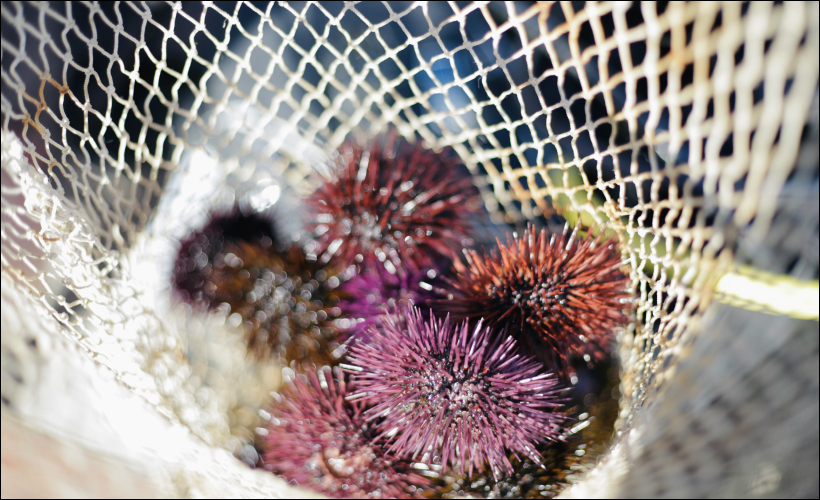
A new GFCM publication, Sustainable Aquaculture in the Mediterranean: Restoring Ecosystems for Food Security, highlights six species with strong restorative potential: noble pen shell, stony sea urchin, Mediterranean tubular sea cucumber, European flat oyster, Mediterranean mussel and the Greek bathing sponge. The report outlines each species’ biology, ecological role and opportunities for cultivation.
Turning knowledge into practice, the GFCM inaugurated the Mediterranean Restorative Aquaculture Demonstration Centre in La Ràpita, Spain, in July 2025. The centre offers advanced facilities for research, training and innovation in macroalgae, bivalves, flathead grey mullet and integrated multitrophic systems. Its first regional training, held in October 2025, brought together participants from seven countries and marked a milestone in building capacity for restorative practices.
Part of a wider network of seven regional Aquaculture Demonstration Centres, the facility strengthens cooperation and accelerates the uptake of sustainable methods. With continued support from the European Union, restorative aquaculture is becoming a practical and scalable pathway for integrating environmental restoration with sustainable aquatic food production—positioning the region as a global model for ecosystem-based aquaculture.