


































by Brandon Witte, CEO of Sightline Systems, USA
As global seafood demand continues to rise, aquaculture has become increasingly critical to meeting the world’s food needs. The industry is projected to supply over 60 percent of global fish consumption by 2025, highlighting its vital role in food security. However, the sector faces several significant challenges heading into 2025. Understanding these challenges—and the innovative solutions available to address them—is crucial for fish farmers looking to maintain profitable and sustainable operations in an increasingly competitive market.

Rising operational costs
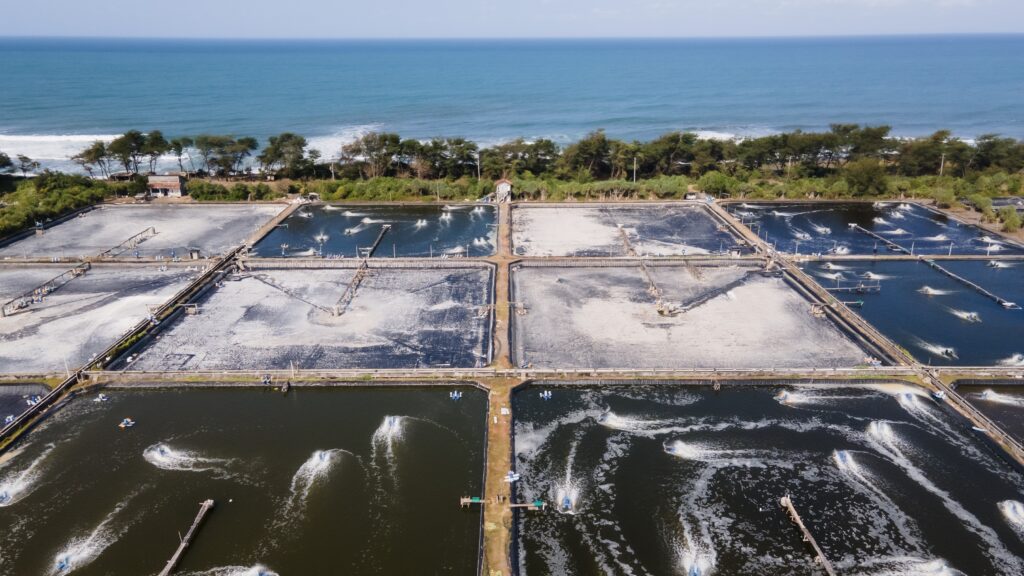
One of the most pressing challenges facing aquaculture operations is the steady increase in production and labour costs. Feed prices, in particular, have seen significant increases, with some regions reporting cost increases of up to 40 percent in the past two years. Traditional approaches to farm management often require substantial human resources for monitoring and maintenance, further driving up operational expenses. Labor costs alone can account for 20-30 percent of total operational expenses in conventional aquaculture setups.
According to Dr Sarah Chen, Director of the Global Aquaculture Innovation centre, “The key to managing rising operational costs in aquaculture lies in smart automation and data-driven efficiency. Operations that have implemented comprehensive monitoring systems have seen labour costs decrease by up to 35 percent while improving production outcomes”. These improvements often translate to enhanced feed conversion ratios and reduced waste, creating a compound positive effect on operational efficiency.
Modern solutions like Aqua Sightline help farmers optimise their operations through data-driven decision-making, reducing the need for extensive on-site staff while improving efficiency. The platform’s automated monitoring and alert systems allow farmers to manage their operations more effectively with fewer personnel. This company projects operational cost savings in the first year of implementation, with some achieving even greater efficiencies through optimised feed management and reduced labour requirements.
Technical complexity
The transition to precision aquaculture, while beneficial, presents its own set of challenges. Recent research from the International Aquaculture Technology Forum indicates that 67 percent of small to medium-sized farms cite technical complexity as a major barrier to modernisation. This hesitation to adopt new technologies can put farms at a competitive disadvantage in an increasingly technological industry. The study further reveals that farms delaying technological adoption typically experience 15-20 percent lower productivity compared to their digitally-transformed counterparts.
Aqua Sightline addresses this challenge by providing an intuitive, mobile-first platform that simplifies complex data into actionable insights. “The democratisation of precision aquaculture technology is essential for the industry’s future,” explains Tony Vaught, The Aquaculture Consultant for the company. “We’re seeing remarkable results when farmers can access advanced analytics through user-friendly interfaces that don’t require extensive technical training.”
The platform’s approach to simplifying technical complexity includes step-by-step implementation guidance, 24/7 technical support, and automated data interpretation that converts complex measurements into clear, actionable recommendations. This comprehensive support system has resulted in a 94 percent successful adoption rate among new users, significantly higher than the industry average of 60 percent for new technology implementation.

Data management & security
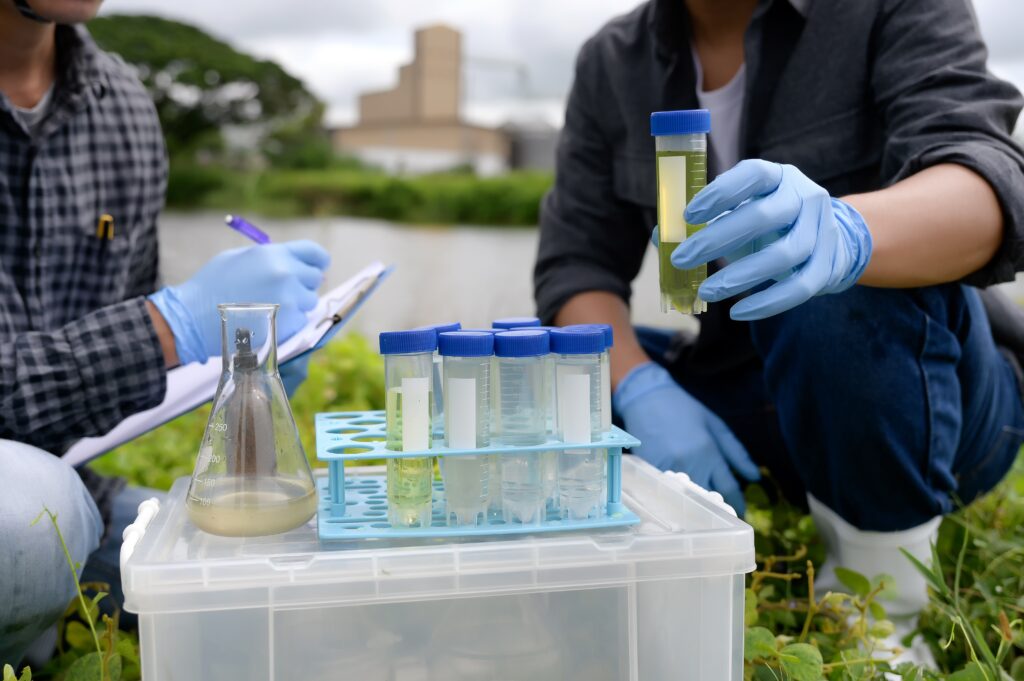
As aquaculture operations become increasingly digitised, data management and security have emerged as critical concerns. A 2024 report by the Aquaculture Cybersecurity Consortium found that data breaches in agricultural technology increased by 156 percent over the past two years. This striking statistic highlights the urgent need for robust security measures in modern aquaculture operations. The report also indicates that the average cost of a data breach in the aquaculture sector exceeds US$400,000, making security a critical business consideration.
Aqua Sightline has established itself as a leader in this space, with a proven track record of excellence in data security and storage for international corporations. The platform employs military-grade encryption protocols, regular security audits, and redundant backup systems to ensure data integrity and protection. These security measures comply with international data protection standards while maintaining easy access for authorized users through secure mobile and desktop interfaces.
Environmental challenges
Climate change presents perhaps the most significant long-term challenge to aquaculture operations. The Marine Aquaculture Climate Impact Study (MACIS) projects that without adaptive management strategies, climate variability could reduce yields by up to 30 percent in vulnerable regions by 2030. The study identifies temperature fluctuations, changing precipitation patterns, and increased frequency of extreme weather events as key risk factors for aquaculture operations worldwide.
Dr Marcus Rodrigues, lead researcher at the Pacific Aquaculture Research Institute, emphasises the importance of proactive monitoring: “Real-time environmental data collection and analysis aren’t just conveniences anymore—they’re survival tools for modern aquaculture. Farms that can quickly adapt to environmental changes are showing 40 percent better survival rates during extreme weather events”. This improvement in survival rates directly translates to enhanced profitability and operational resilience.
Modern aquaculture operations require sophisticated environmental monitoring systems to track and respond to these challenges. The company’s platform provides continuous monitoring of critical parameters including water temperature, dissolved oxygen levels, pH, and salinity. The system’s predictive analytics can forecast potential environmental challenges up to 72 hours in advance, allowing farmers to take preventive measures before conditions become critical. This early warning system has proven particularly valuable during extreme weather events, where rapid response times are crucial for protecting stock.

Looking forward
The future of aquaculture lies in integrated solutions that address multiple challenges simultaneously. Modern platforms like Aqua Sightline combine and analyse the important data from aquaculture to tackle the challenges faced by fish farming in 2025 and beyond. The company’s app does this in an affordable and user-friendly package. This comprehensive approach is essential for maintaining profitable and sustainable aquaculture operations in 2025 and beyond.
By leveraging advanced technology while maintaining simplicity and security, farmers can navigate the challenges of modern aquaculture while optimising their operations for long-term success. Early adopters of integrated solutions report improvements across all key performance indicators, including:
- 25-35 percent reduction in operational costs
- 40 percent improvement in feed conversion ratios
- 60 percent reduction in response time to environmental changes
- 45 percent increase in overall productivity
As the industry continues to evolve, solutions like Aqua Sightline will play an increasingly crucial role in ensuring the sustainability and profitability of aquaculture operations worldwide. The transition to precision aquaculture, supported by robust technological solutions, represents not just a trend but a fundamental shift in how successful aquaculture operations will be managed in the years to come.
Published in the January 2025 issue of International Aquafeed.