


























A new thesis from the University of Gothenburg, Sweden proposes using kelp fly larvae and marine yeast cultivated from seafood industry by-products as sustainable alternatives to fishmeal and soybeans in feed for farmed salmon. This shift could contribute to more sustainable and circular food production practices in the rapidly growing aquaculture sector.
One of the biggest challenges facing the industry is sourcing high-quality, sustainable feed. Currently, fish feed represents about half of both the carbon footprint and production cost of farmed fish. Researchers at the University of Gothenburg are exploring alternative ingredients that could reduce these environmental impacts.


The thesis by Niklas Warwas, a doctoral student at the university, suggests that kelp fly larvae and marine yeast offer high-quality proteins and essential omega-3 fatty acids that are critical for fish growth and health. These ingredients also help strengthen the immune systems of farmed salmon, making them more resistant to disease.
Warwas’ research highlights the potential of using by-products from the seafood industry—such as nutrient-rich brine from herring processing and residual products from algae cultivation—to produce the new feed ingredients. This process would reduce waste while providing a circular, resource-efficient solution to feed production.
Another benefit of using yeast and fly larvae is that they require minimal processing before being incorporated into fish feed, which could reduce energy consumption in feed production. The thesis emphasizes the importance of creating local, circular systems where feed is produced near processing plants and fish farms, cutting down on transportation and making the alternative ingredients more competitive.

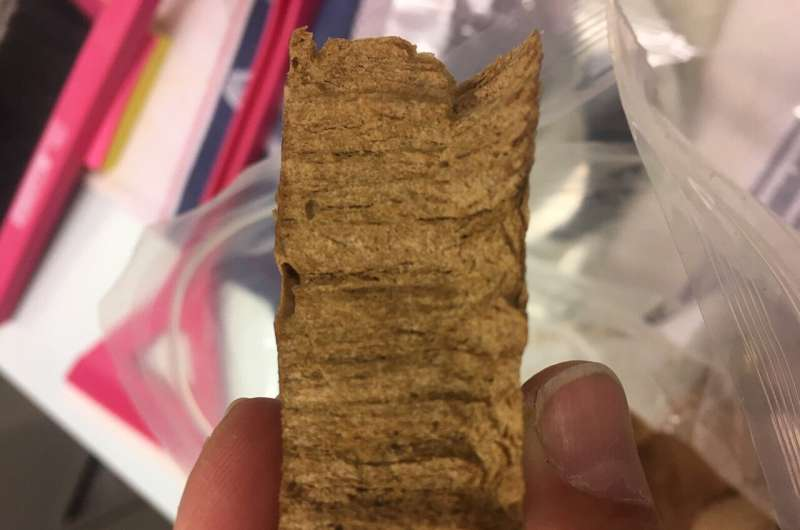
be included in feed for salmon farms. Credit: Ingrid Undeland | Phys.org
The transition to these new feed sources could also increase food security by reducing reliance on fishmeal and soybeans, which are also used for human consumption. As global trade faces increasing challenges, reducing competition for these resources could help address future food security concerns.
Warwas’ research aligns with Sweden’s goals for a more sustainable food industry, where by-products are reused instead of discarded. With growing concerns about access to arable land and clean water, his findings support the need for more resource-efficient food production systems.