






























by Dr François Jégou, Aquaculture Health and Performance, ADM Animal Nutrition
Farm management-related stressors are common in modern aquaculture operations, such as transportations, transfers, gradings and vaccination procedures. These include fish exposure to hypoxia, injuries, varying water qualities, as well as infectious environments and populations. Furthermore, factors like water temperature and physio-chemical parameters can affect fish metabolism and nutritional needs.
Many of these stressing events happen at juvenile life stages. Stress in young fish impacts overall physiological functions, integrity and growth at a time when both the immune and digestive systems are not fully developed. These concomitant facts may lead to mortalities, loss of performance and ultimately impact the entire production cycle.
Aquaculture producers worldwide are seeking ways to boost aqua immune systems and minimise potential consequences to their operations. Nutrition plays a fundamental role in supporting fish through early life stage challenges to boost resilience and maintain healthy development into maturity.
Trial demonstration
ADM took a holistic assessment of the many diverse factors affecting fish physiology and has developed a feed solution that not only strengthens but also deeply nourishes the immune system, addressing the common challenges faced in aquaculture production. Aqua Immune One; launched as Immunity Plus in Brazil and Nanolis Guard in Asia, can help minimise the effects of external stressors and potential noxious agents and factors, while also promoting efficient aqua species growth and delivering a return on investment for producers.

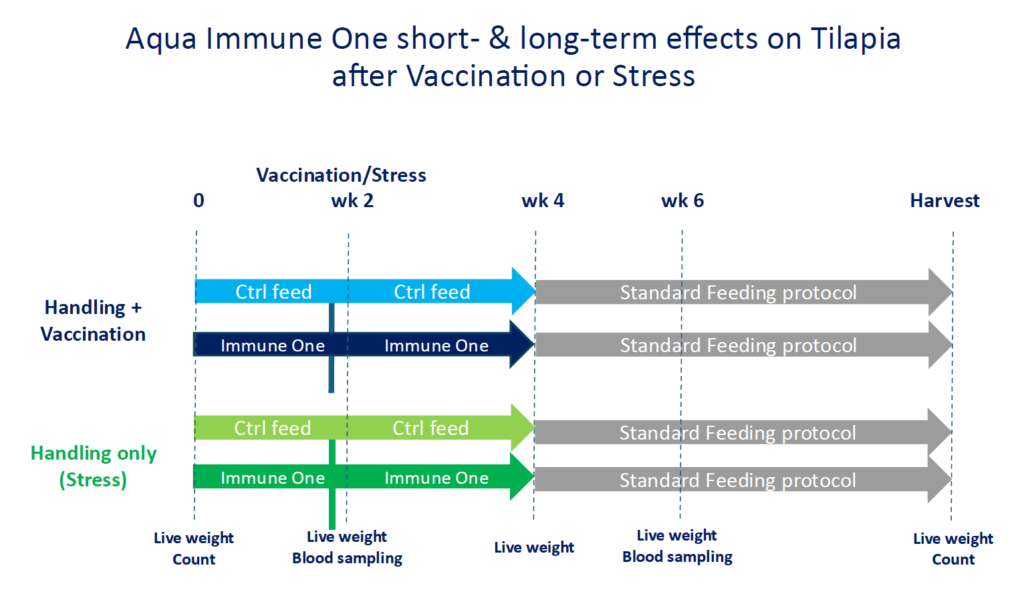
The solution was tested in a dedicated tilapia trial at the ADM Brazil Aquaculture Innovation Centre located in Aparecida do Taboado. The protocol featured eight cages per treatment in real field conditions on the Paraná River, which hosts several key producers. The company’s customised feed was distributed for four weeks during the juvenile stage of the tilapia, and the fish were challenged with stress from handling and/or vaccination (Fig. 1).

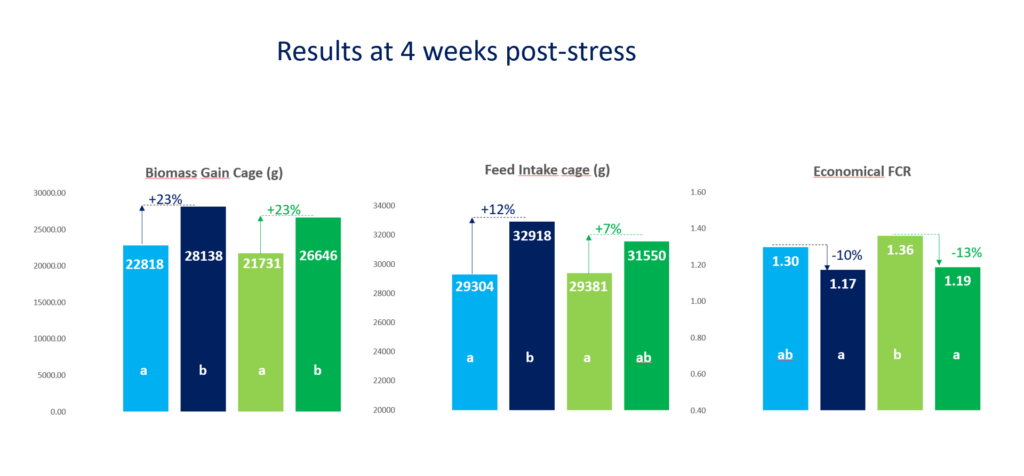
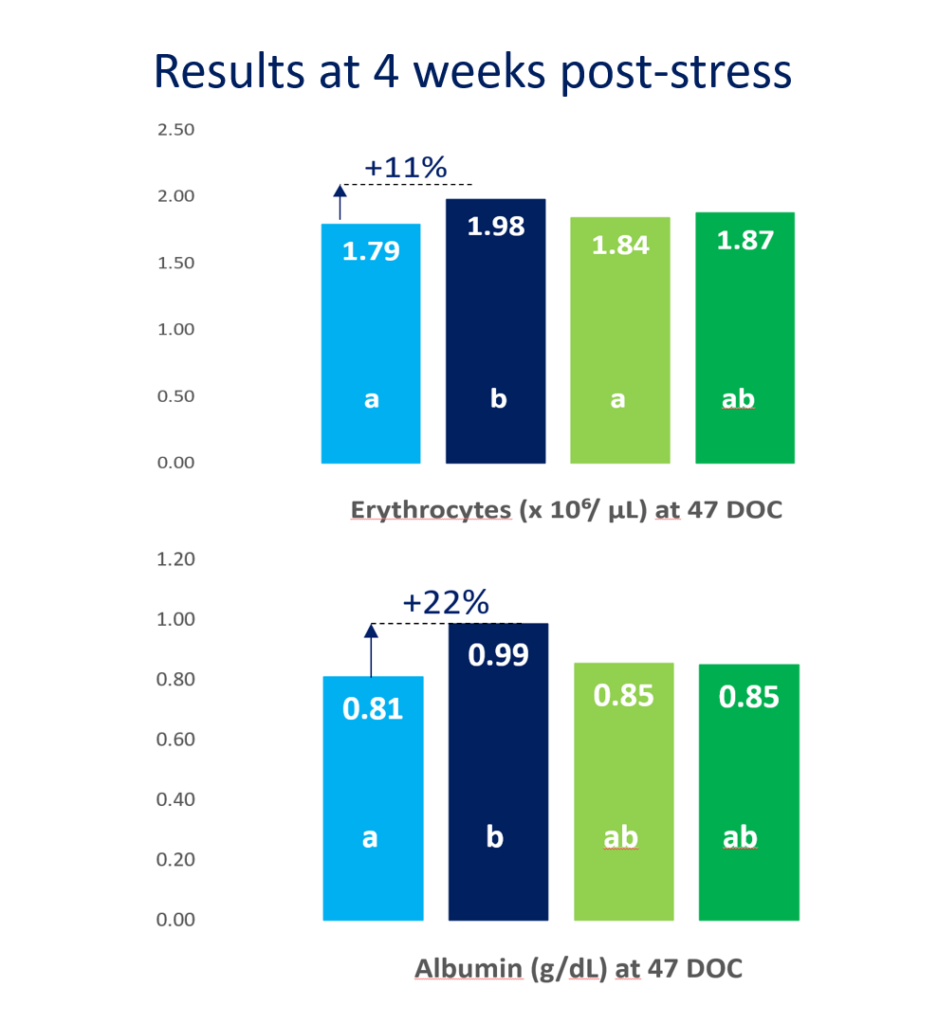
As shown in Figure 2, results found significant 23 percent increase in biomass gain and 13 percent improvement in feed conversion ratio (FCR), as well as 11 percent erythrocytes and 22 percent albumin blood concentrations increased values (Fig. 3) compared to the control cages, as measured four weeks after each treatment.

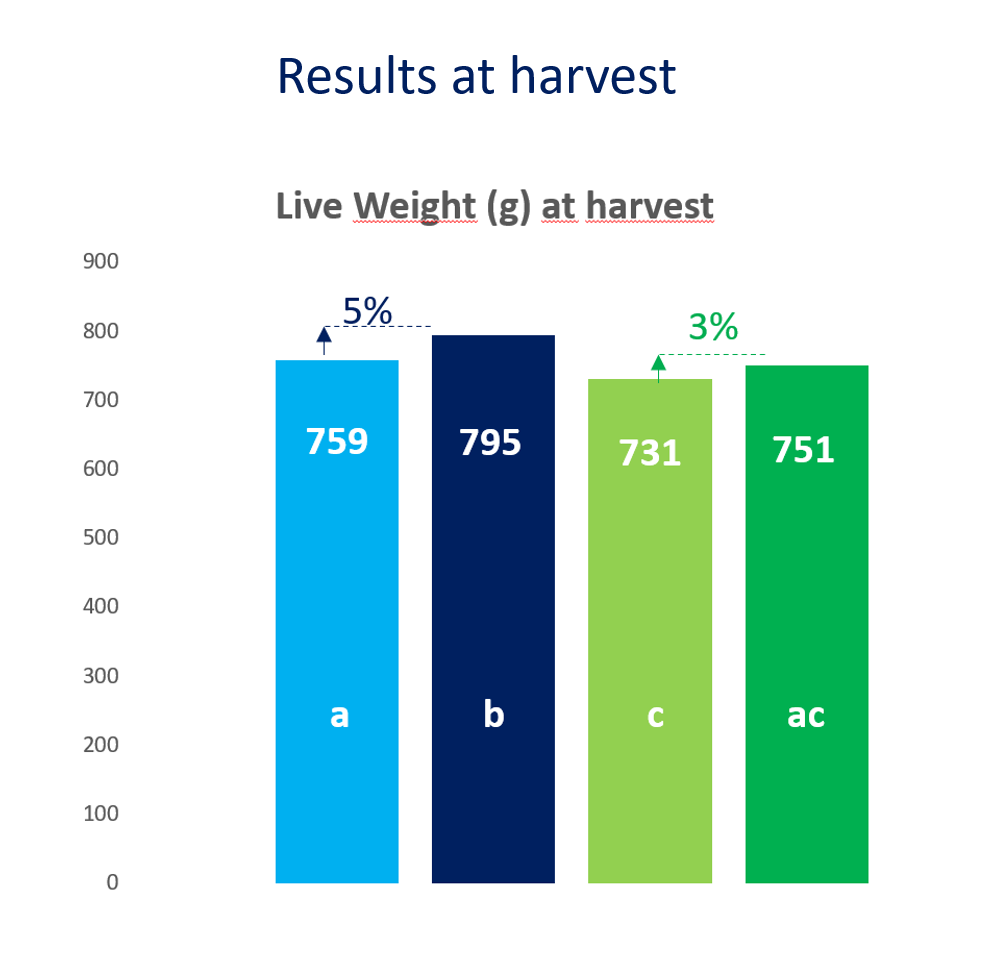
Additionally, the trial demonstrated a significant five percent increase in body weight at harvest six months later (Fig. 4).

A real-world test
Following the successful trial and with a viable proof of concept, ADM proposed the special Aqua Immune One feed formulation to a prominent tilapia producer in Brazil. This producer wanted to limit its use of treatments and chemicals as a preventative practice, and first applied the company’s solution on a small scale. The customer continuously progressed its use until Aqua Immune One covered the entirety of its juvenile feeding program, totalling 900 metric tonnes within nine months. This producer was then able to achieve Best Aquaculture Practice (BAP) certification, opening its sales to new markets. By abandoning the preventative use of antibiotics in feed, observations of antibiotic resistance dramatically decreased within the production site.
This customer case study underscores the advantage of specific feed formulas in maintaining fish physiology and homeostasis under various stress conditions. Notably, the impressive results have earned ADM’s Aqua Immune One a first-place award in the sustainability category of the Aquaculture Innovation Awards, presented at Aquishow Brazil 2024.
Tailored solution
An important consideration for aquaculture producers is the differences in application of the concept between regions or countries. Factors can vary in the species targeted, feed formulation and profile (premix or feed additive), selected inclusions based on registrations and material availabilities, and business objectives, such as vaccination stress mitigation, environmental impact or farm management stress impact reduction.
For instance, ADM has developed a similar nutrition approach to help mitigate the multiple physical, physiological, environmental and infectious stressors endured by juvenile marine fish during their transfer from inland facilities to open sea grow-out cages. This functional feed addresses the specific needs of a significant barramundi producer in Southeast Asia.
With the potential for lower production management-related hazards and reduced use of treatments and chemicals, as well as improvements in aquaculture performance, fewer health concerns and higher survival rates, Aqua Immune One is an innovative nutrition solution for common production and sustainability challenges. Such a tool could help all aquaculture producers improve their farm management practices, minimise their reliance on treatments and chemicals, and thus help in decreasing their environmental impact. In addressing antimicrobial resistance, these best practices may contribute to mitigating a rising global health concern.
Published in the November 2024 issue of International Aquafeed.