












by Priyal Shah, International Aquafeed and Fish Farming Technology
As sustainability pressures reshape the aquaculture sector, the search for efficient, high-quality protein ingredients has intensified. Against a backdrop of tightening fishmeal supply and growing scrutiny around waste reduction, Morocco-based Blue Fish Factory (BFF) is positioning fish protein hydrolysates as a practical and scalable solution for next-generation aquafeed formulations.
Operating from Dakhla on Morocco’s Atlantic coast, BFF has developed an integrated production model that converts sardine and mackerel canning by-products into premium fish protein hydrolysates and fish oil. By transforming material traditionally considered waste into highly digestible feed ingredients, BFF is advancing circular sourcing principles while maintaining a strong focus on ingredient quality, production efficiency and feed performance.
From cannery by-products to hydrolysates
At the start of the process are by-products generated from Mutandis, a leader in the FMCG sector that functions in more than 90 countries with an annual turnover of around US$250 million. Its subsidiary is BFF was launched in 2025. Mutandis’ canning operations leave behind fish heads, viscera and tails. Rather than storing or transporting these materials elsewhere for processing, they are transferred immediately to BFF’s hydrolysate production facilities located on the same industrial site.
According to Zakaria Mediouni, BFF’s Managing Director, this rapid processing step is essential for preserving freshness and nutritional integrity.
“Our integrated facility in Dakhla brings together canning and hydrolysate operations on the same 15,000m² industrial site,” Mediouni explains. “By-products move directly from the cannery floor to processing, eliminating any storage delay.”
This immediacy helps prevent histamine accumulation and preserves the amino acid and lipid profiles of the raw material. The result is a hydrolysate that retains the intrinsic nutritional quality of the original fish rather than reflecting the degradation often associated with delayed processing.
The transformation process itself combines continuous enzymatic hydrolysis with three-phase separation, evaporation and spray-drying. During hydrolysis, enzymes break proteins into smaller peptide chains, creating a product with significantly enhanced digestibility compared with conventional fishmeal.
Scaling production with quality
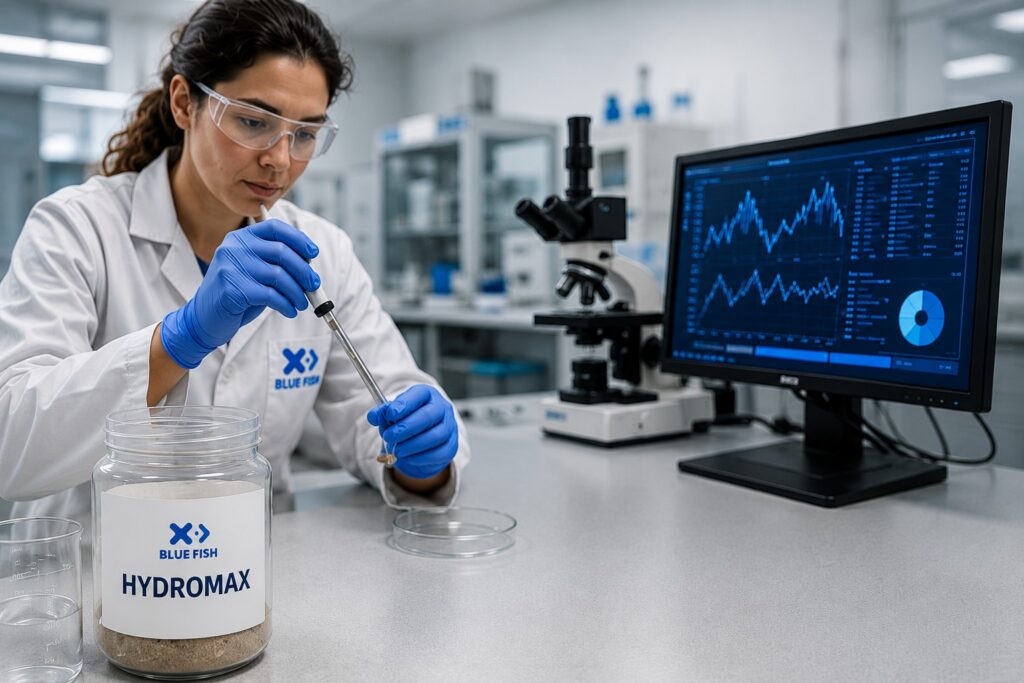
BFF’s production system has been designed specifically to ensure consistency at scale. Continuous hydrolysis allows steady residence times and a uniform degree of hydrolysis across large production volumes, while staged enzyme dosing helps prevent over-hydrolysis and limits the formation of bitter peptides.
The process is further supported by PID and PLC-controlled systems that maintain tightly regulated pH levels through automatic titration, ensuring optimal enzyme activity throughout production. Inline sensors continuously monitor temperature, flow, pH and indicators linked to the degree of hydrolysis, allowing real-time process corrections.
Together, these technologies enable BFF to maintain a consistent low molecular weight peptide profile while scaling production to approximately 2000 tonnes annually without compromising quality.
Quality standards are maintained alongside a strong commitment to sustainability. Morocco’s fisheries management framework includes mandatory biological rest periods and rotating fishing zone closures, helping to protect sardine and mackerel stocks during critical spawning and reproductive stages. BFF and its parent company, Mutandis, operate in full compliance with these regulations.
Improving feed performance in aquaculture
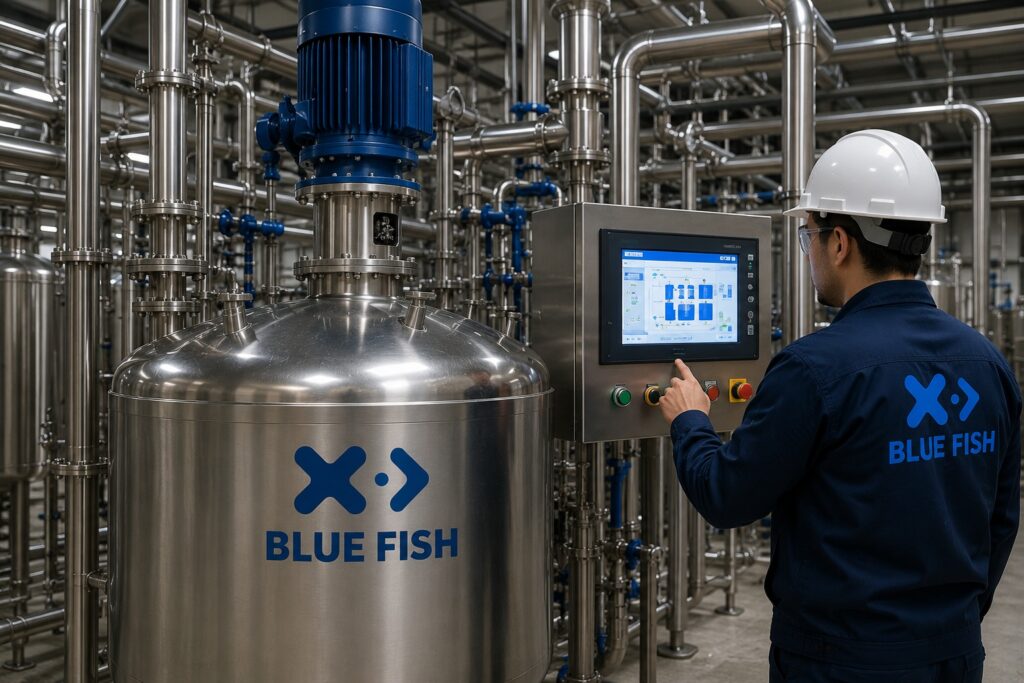
The resulting ingredient, marketed as Hydromax, has been developed specifically for aquaculture applications. According to BFF, more than 90 percent of Hydromax peptides fall below 5 kDa, while protein digestibility exceeds 95 percent. EPA and DHA account for approximately 30 percent of total fatty acids, alongside a significant phospholipid fraction that supports omega-3 bioavailability.
This low molecular weight profile contributes to a water solubility that exceeds 80 percent and improved palatability compared with standard and even premium fishmeal products. Smaller peptides are also associated with functional properties including antioxidant and immune-supporting effects.
“The high digestibility translates directly to better feed conversion ratios, improved growth and health status,” notes Omar Rharbaoui, Head of Strategy & Development, particularly for marine species such as seabass, seabream and turbot.
As aquafeed producers increasingly look for ingredients capable of improving efficiency while reducing environmental impact, digestibility and nutrient bioavailability are becoming key differentiators. Fish protein hydrolysates are therefore attracting growing interest not only as alternative protein sources, but also as functional feed ingredients capable of supporting animal performance and resilience.
Addressing contamination concerns
Contamination control remains another critical factor for feed manufacturers, particularly when marine-derived ingredients are involved. BFF attributes the low contamination profile of Hydromax largely to the origin and biology of its raw materials.
Sardine and mackerel sourced from FAO Zone 34 are naturally low-accumulating species due to their trophic position, biological characteristics and Atlantic habitat. This reduces the likelihood of heavy metal accumulation as well as contamination from PCBs and dioxins.
To maintain consistency, the company combines systematic analytical testing with strict process controls designed to prevent metal contact during transformation. The company is GMP+ certified and is currently progressing towards Marine Trust certification.
The future role of fish protein hydrolysates
Beyond product quality, BFF sees fish protein hydrolysates playing an increasingly important role in the long-term evolution of sustainable aquafeed formulation.
“The structural pressure on fishmeal supply is not a temporary phenomenon,” explains Rharbaoui. “It is a long-term constraint that will continue to drive aquafeed formulators toward high-quality alternatives.”
Rather than competing solely on price, BFF believes hydrolysates offer a performance-driven proposition built around higher digestibility, improved bioavailability and measurable feed conversion benefits.
Industry forecasts appear to support this trajectory. The global fish protein hydrolysate market is expected to grow steadily over the next decade, driven by aquaculture expansion, increasing demand for sustainable proteins and broader circular economy initiatives. Within this growth, aquafeed is expected to remain one of the most significant application segments.
At the same time, the sector is moving towards greater specialisation. Species-specific formulations, functional peptides targeting immunity and stress response, and ingredients designed to deliver measurable performance outcomes are all expected to shape future demand.
Morocco’s emerging opportunity
For Morocco, this transition could present a strategic opportunity. While the country has long been recognised for its fisheries sector, it is only beginning to emerge as a producer of fish protein hydrolysates for aquafeed and animal nutrition markets.
BFF believes this creates an advantage for early entrants capable of establishing reliable, traceable supply chains before competition intensifies.
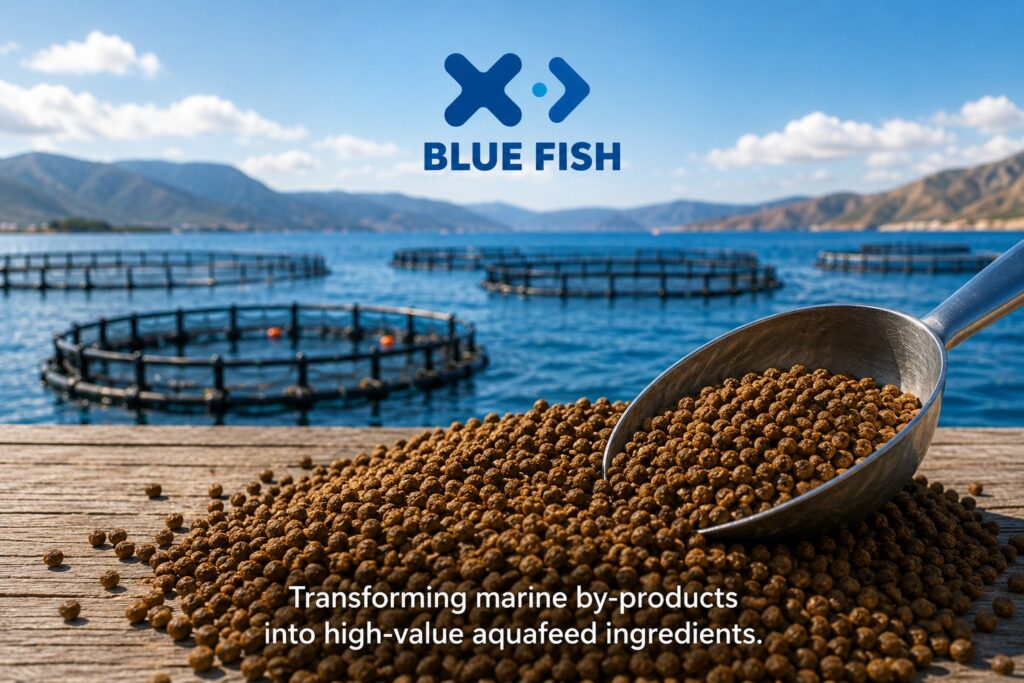
By combining circular raw material sourcing with advanced processing technologies and quality-focused production, the company is demonstrating how seafood by-products can be transformed into high-value aquafeed ingredients. As the industry seeks solutions that balance sustainability with performance, fish protein hydrolysates may become an increasingly important component of future feed strategies.
