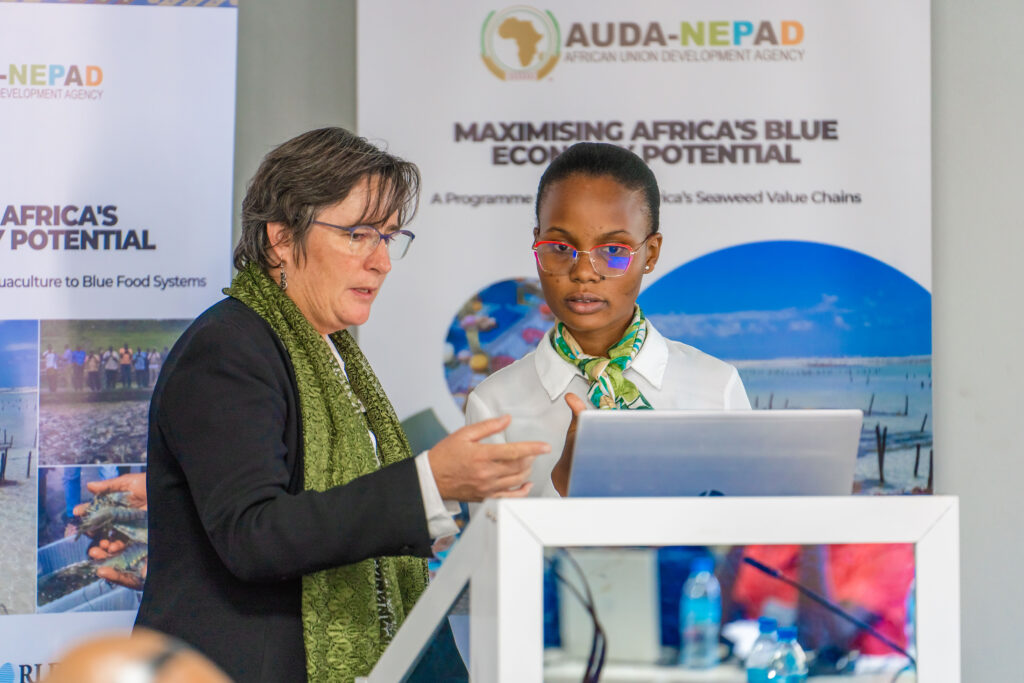






























Women play a central role in fisheries and aquaculture value chains across Africa, contributing to production, harvesting, processing, trading and retail, while underpinning household food security and local economies. According to AUDA-NEPAD, empowering women in these value chains is not only a matter of equity but also a strategic priority for driving inclusive economic growth, improving nutrition and strengthening resilient aquatic food systems. Enhancing women’s participation also supports broader continental priorities and unlocks the potential of aquatic foods as a driver of sustainable development.
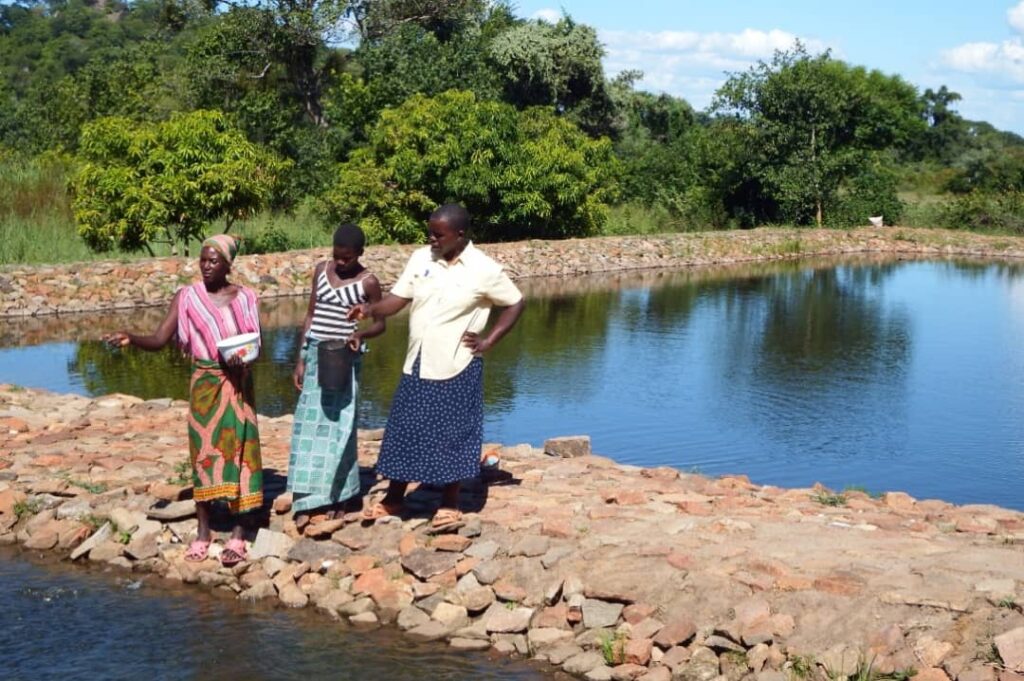
The United Nations has designated 2026 as the International Year of the Woman Farmer (IYWF 2026). In response, the World Aquaculture Society African Chapter, in collaboration with AUDA-NEPAD and media partner Aquaculture Africa Media, is placing a strong focus on women in aquaculture to highlight their contributions to aquatic food systems. Supporting these efforts, the Food and Agriculture Organization has developed a communications handbook and toolkit to guide partners in amplifying IYWF 2026 activities. A special side event is also planned at the Aquaculture Africa 2026 Conference in Tanzania (1–4 December 2026) to conclude the commemorations.
On 24 March 2026, a webinar was held to raise awareness and promote initiatives aimed at improving women’s livelihoods in aquaculture. The session attracted nearly 300 participants globally, primarily from Africa. Keynote speakers included Khalid Salie, Foluke Areola, Bernice McLean and Jennifer Gee, all of whom emphasised the need for strategic and impactful actions to support women aquaculture producers, particularly in relation to food security, nutrition and poverty reduction.
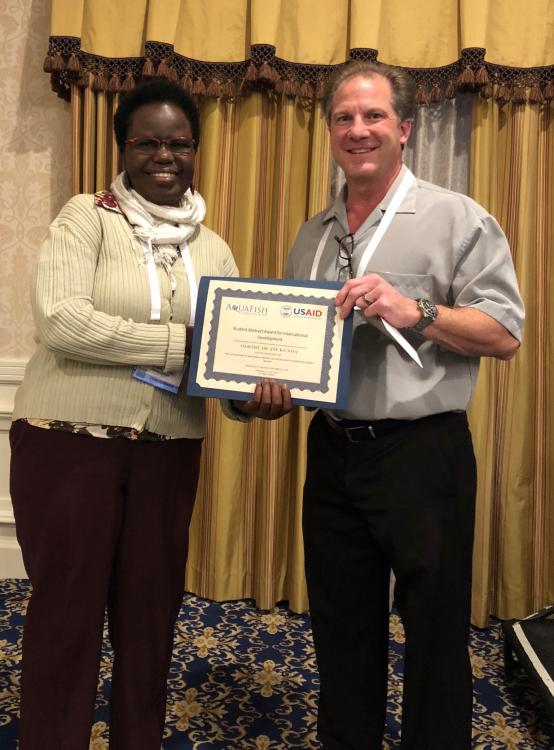
A panel of women aquaculture practitioners from Egypt, Nigeria, Ghana, Senegal, Kenya and South Africa shared their experiences, showcasing their enterprises, outlining opportunities for growth and highlighting persistent challenges. Key issues identified included limited access to land, finance, markets, education, training and innovative technologies. Proposed solutions focused on supportive policies, strengthened institutions, increased investment and enhanced collaboration among stakeholders.
The webinar marks the start of a broader programme led by AUDA-NEPAD, WAS-AC and partners, including regional outreach, further webinars and online engagement activities aligned with the FAO toolkit. These efforts will culminate at the Aquaculture Africa 2026 Conference (AFRAQ2026), scheduled to take place in Tanzania from 1 to 4 December 2026.
The link to the webinar recording is here.