





























by Brandon Witte, CEO of Sightline Systems, USA
In the rapidly evolving world of aquaculture, research, data, and predictive analytics is more important than ever. As the industry faces increasing challenges from climate change, resource scarcity, and growing global demand for seafood, leveraging cutting-edge technology and data-driven insights has become crucial for sustainable and profitable operations. This article explores how organisations like the Hubbs-SeaWorld Research Institute (HSWRI) and innovative solutions such as Aqua Sightline are both revolutionising the aquaculture landscape through the power of data and analytics.

Foundation of research
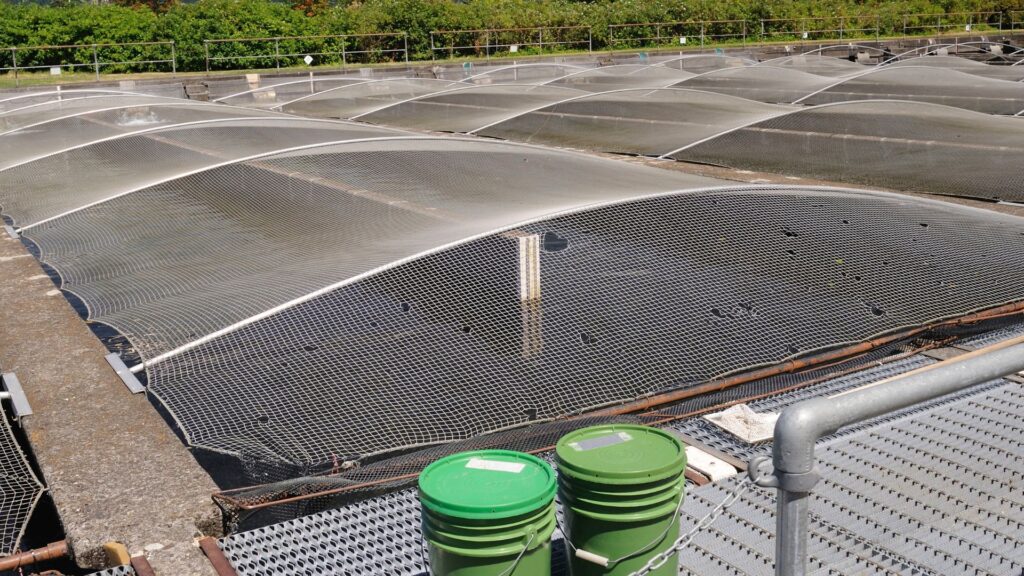
The Hubbs-SeaWorld Research Institute (HSWRI) stands as a testament to the transformative power of research in aquaculture. As a non-profit organisation dedicated to conserving and renewing marine life, HSWRI has established itself as a leader in aquaculture research and operations in the United States. With facilities in southern California and Melbourne Beach, Florida, HSWRI’s work spans a wide range of initiatives that demonstrate the far-reaching impact of data-driven aquaculture practices.
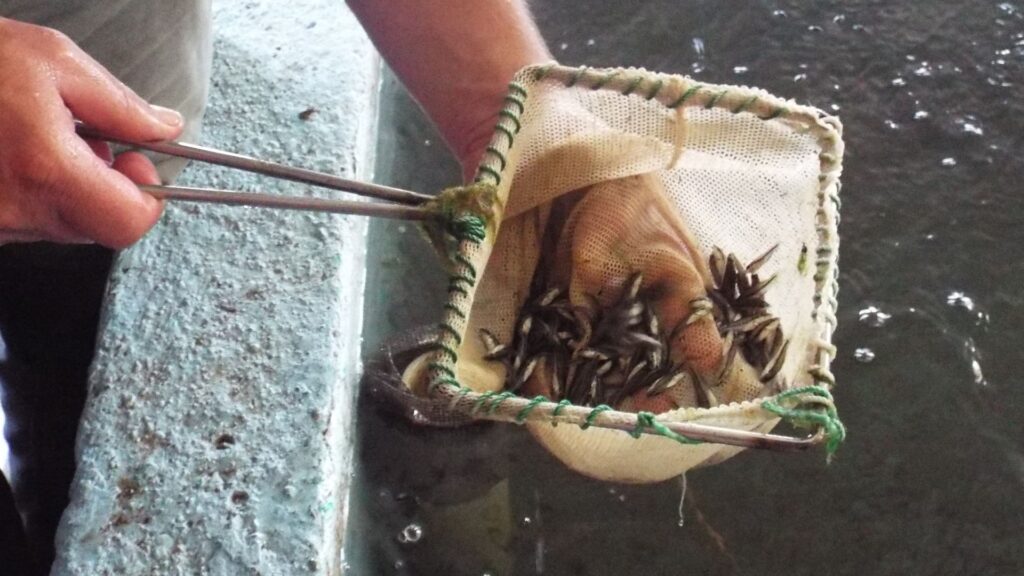
One of HSWRI’s flagship programs is the Ocean Resources Enhancement and Hatchery Program (OREHP), which operates out of the Leon Raymond Hubbard, Jr., Marine Fish Hatchery in Carlsbad, California. This 22,000-square-foot facility is capable of producing over 350,000 juvenile white seabass each year, contributing significantly to the restoration of the California white seabass population. Since the late 1970s, HSWRI has tagged and released more than two million fish back into the ocean, a feat made possible through meticulous data collection and analysis.
HSWRI’s research extends beyond population restoration, encompassing critical areas such as environmental assessment, genetics, physiology, health, and nutrition. By conducting studies on alternative sources of protein and oil for carnivorous species, HSWRI is proactively addressing the anticipated challenges of resource scarcity as aquaculture continues to grow. Additionally, their research on macroalgae performance under various seasonal conditions provides valuable insights for growers looking to cultivate these species in southern California, either on land or at sea.
The institute’s commitment to data-driven research has had ripple effects across the aquaculture industry. Their work has not only supported the white seabass population but has also impacted other species such as striped bass, California yellowtail, and halibut. The accurate data collection and analysis from these programs have made a significant impact on seafood production, demonstrating the power of research in driving industry-wide advancements.

Research to real-world impact
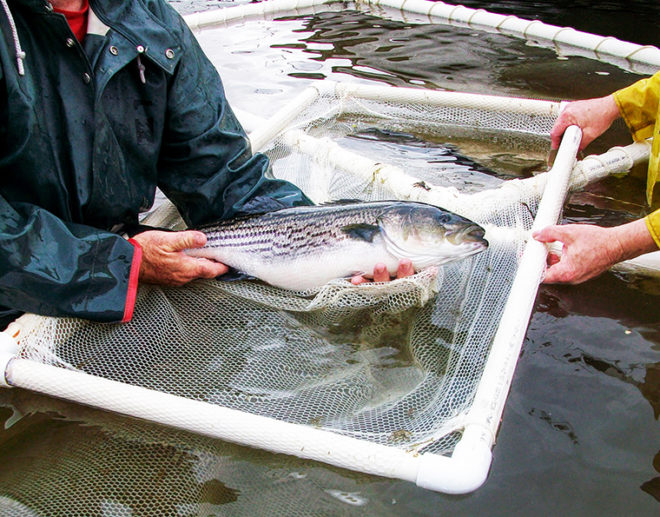
The collaboration between HSWRI, Vaughts’ Professional Aquaculture Services, and Pacifico Aquaculture exemplifies how research and data can lead to groundbreaking commercial applications. Their joint efforts resulted in the establishment of the world’s only saltwater striped bass farm, located offshore in Mexico. This success story underscores the importance of research-backed data in identifying viable species for aquaculture and developing effective cultivation methods.
Another example of data-driven innovation is the development of offshore mussel production facilities. By leveraging research and data on proposed aquaculture sites, the industry has been able to expand into new territories and collaborate effectively with harbour percent districts. This expansion not only increases production capacity but also helps to distribute the environmental impact of aquaculture operations more sustainably.
Nutrition and feed trials conducted by HSWRI and other research institutions have yielded valuable data that has directly improved survival rates and growth in various species. By evaluating the impact of different ingredients in fish feed, researchers have been able to optimise nutrition profiles, leading to more efficient and cost-effective aquaculture operations. This type of data-driven approach to feed formulation is crucial for the long-term sustainability of the industry, especially as it faces challenges related to resource availability and environmental impact.
Role of predictive analytics
As the aquaculture industry continues to evolve, the integration of predictive analytics into daily operations has become increasingly important. Predictive analytics leverage historical and real-time data to forecast future trends, allowing aquaculture operators to make proactive decisions that optimise production and mitigate risks.
One of the key areas where predictive analytics shines is in forecasting harvest dates. By analysing growth rates, water quality parameters, and feed conversion ratios, sophisticated algorithms can provide accurate estimates of when fish will reach market size. This information is invaluable for planning harvests, coordinating with buyers, and managing cash flow.
Predictive analytics also play a crucial role in feed management. By analysing historical feeding data alongside environmental factors and growth rates, these systems can recommend optimal feeding schedules and quantities. This not only improves feed conversion ratios but also helps to reduce waste and minimise environmental impact.
Water quality management is another area where predictive analytics can make a significant difference. By continuously monitoring and analysing parameters such as temperature, dissolved oxygen, and pH, predictive models can alert operators to potential issues before they become critical. This proactive approach to water quality management can prevent catastrophic losses and ensure optimal growing conditions for aquatic species.

Making data-driven aquaculture accessible
While the benefits of data and analytics in aquaculture are clear, the challenge has often been making these tools accessible and user-friendly for operations of all sizes. This is where solutions like Aqua Sightline come into play. Developed by Sightline Systems with over 30 years of experience in data, analytics, and security, Aqua Sightline brings enterprise-level capabilities to aquaculture operations of all scales.
The Aqua Sightline app represents a significant step forward in democratising data-driven aquaculture. By offering an affordable and easy-to-use platform that operates from a smartphone or tablet, it puts powerful analytical tools in the hands of aquaculture professionals wherever they are. From projected harvest dates and feed recommendations to water quality analytics, this provides real-time insights that enable quick decision-making and optimal resource management.
One of the key strengths is its ability to provide real-time alerts. By setting thresholds for various water quality metrics, operators can receive immediate notifications when conditions fall outside of optimal ranges. This rapid response capability can be the difference between a successful harvest and a catastrophic loss.
Importance of good recordkeeping
At the heart of all data-driven approaches to aquaculture is the practice of good recordkeeping. As Tony Vaught, the Aquaculture Consultant for Aqua Sightline, notes, “Good recordkeeping is essential for all businesses, including aquaculture production facilities.” Without accurate and comprehensive records, farmers lack the information necessary to make optimal decisions and cannot benefit from the lessons learned in previous production cycles.
Effective recordkeeping encompasses a wide range of production parameters, including growth rates, mortality rates, and feeding rates. This data forms the foundation for optimising production practices and driving continuous improvement. Moreover, as Vaught points out, the true value of specific pieces of information often only becomes apparent in hindsight. By maintaining thorough records, aquaculture operators ensure they have access to critical historical data when they need it most.

Data-driven & sustainable future
As we look to the future of aquaculture, it’s clear that data, research, and predictive analytics will play an increasingly central role. The challenges facing the industry – from climate change and resource scarcity to increasing demand and regulatory pressures – require innovative, data-driven solutions.
By embracing tools like this and learning from research institutions like HSWRI, aquaculture operations of all sizes can optimise their practices, reduce costs, and increase both profitability and sustainability. As Tony Vaught aptly puts it, “In today’s competitive landscape, embracing research, data, and analytics can give you a significant competitive advantage.”
This app is at the forefront of modern data-driven aquaculture while being affordable and easy to operate from the palm of your hand, whether in a research facility, a hatchery, or a start-up IPRS (In pond Raceway System) operation. From projected harvest dates and feed recommendations to water quality analytics, the app puts the data you need at your fingertips and provides the real-time alerts you need to react quickly and make the best decisions for your bottom line every time.
The journey towards a more data-driven aquaculture industry is not just about adopting new technologies; it’s about fostering a culture of continuous improvement and evidence-based decision-making. As more operations recognise the power of data and analytics, we can expect to see a more resilient, efficient, and sustainable aquaculture sector emerge – one that is well-equipped to meet the global demand for seafood while preserving our precious marine ecosystems for generations to come.
Published in the December 2024 issue of International Aquafeed.