






























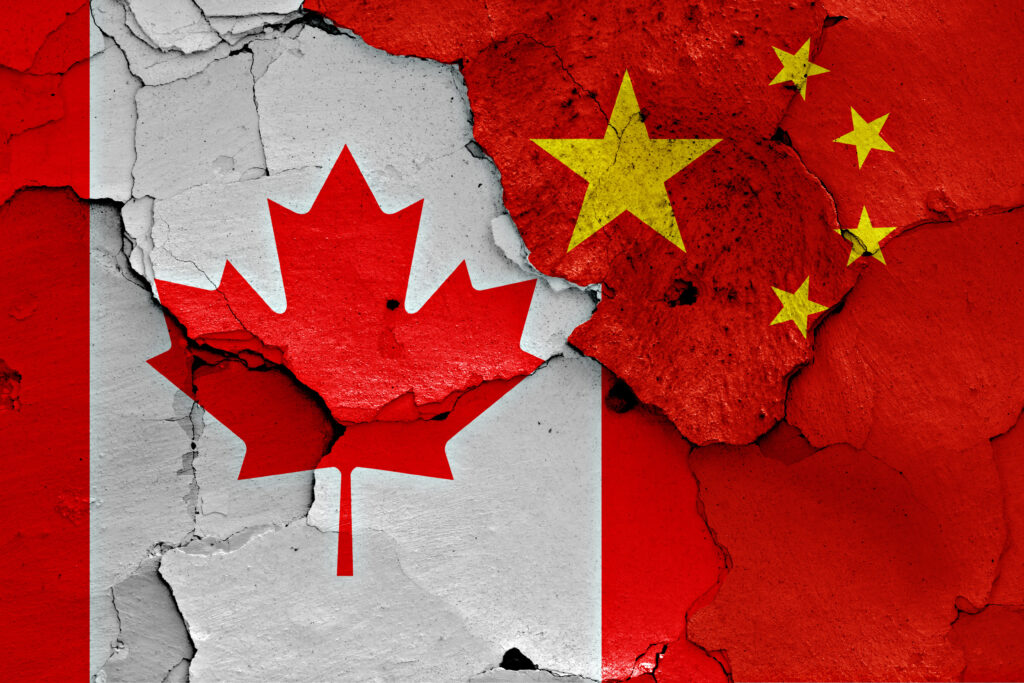
China’s fish farming industry is exploring alternatives as a 100% tariff on Canadian rapeseed meal raises feed costs. Imposed on 10 March in retaliation after Canada’s imposed duties on Chinese goods, the tariff threatens the supply of rapeseed meal, a key ingredient for feeding fish like shrimp, crab, and carp.
Rapeseed meal, derived from canola, has long been a primary protein source for China’s aquaculture sector. Canada has been the dominant supplier, with trade valued at about $780 million in 2024. The new tariffs have made it significantly more expensive, prompting Chinese fish farmers to seek alternatives.
Farmers are considering several options. They may increase the use of domestic rapeseed, but it could raise prices and may not provide a suitable alternative. They could also turn to canola from other countries like Russia or Australia, though these suppliers can’t fully replace Canada’s supply.
Another option is to use soybean meal, which is more expensive and less preferred by fish due to its lighter colour. However, it is already used in livestock feed and could be a costly replacement. Some feed producers have already adjusted their recipes, reducing rapeseed meal in favour of soy.
Experts warn that if China and Canada extend tariffs, prices for rapeseed and alternative feeds could rise sharply, severely affecting farmers. With trade relations worsening, fish farmers face increasing pressure to find viable feed sources to maintain production and control costs.